
Let’s Schedule Your Free Estimate
Don’t wait for the first leak call. Get ahead with a fast roof check.

<<Commercial roof insulation can reduce heat transfer through the roof and may lower heating or cooling demand. The actual effect depends on climate, existing insulation, air leakage, moisture, roof color, HVAC performance, occupancy, and how the building is operated.>>
A roofing proposal should not promise a fixed utility reduction from insulation alone. The roof is one part of the building enclosure, and heating, ventilation, and air-conditioning equipment responds to the combined load from walls, windows, air movement, people, lighting, and process use.
The useful question is whether the current roof assembly is contributing avoidable heat flow and whether a repair, restoration, or replacement project creates a practical opportunity to improve it.
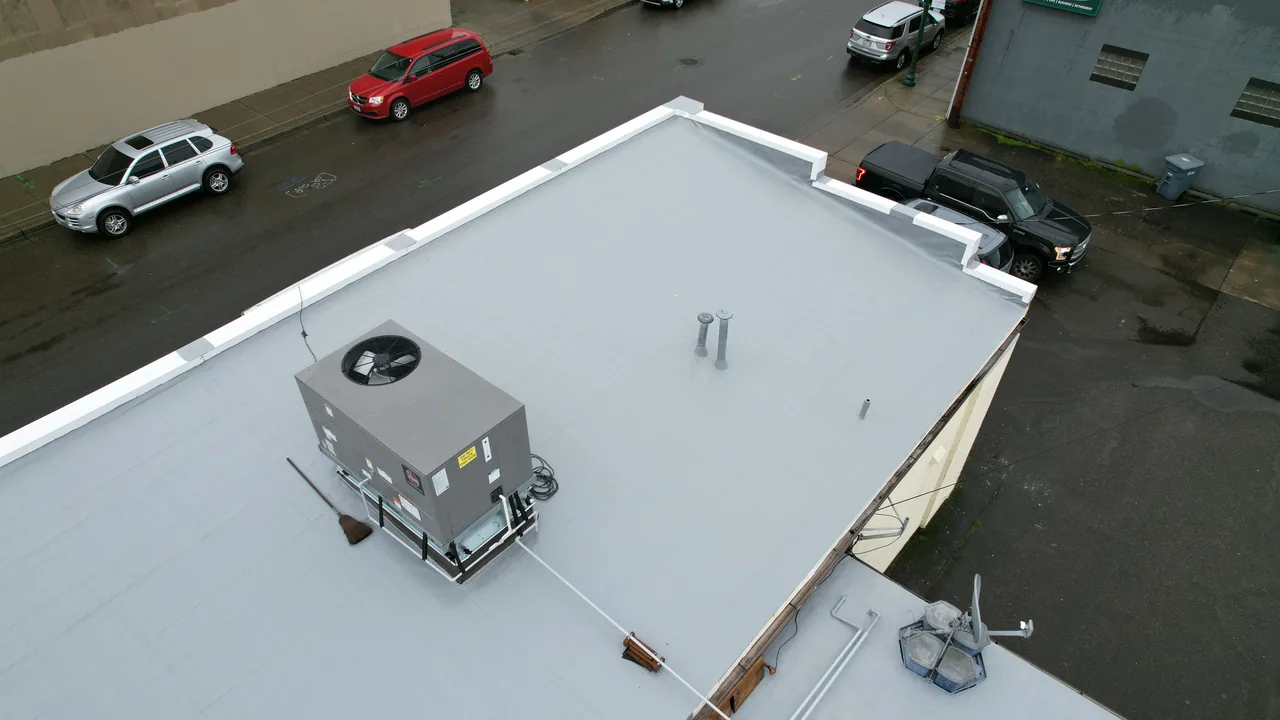
Roof insulation resists heat flow between the building interior and exterior. More effective, continuous insulation can reduce heat gain during warm conditions and heat loss during cold conditions. Thermal bridges at fasteners, gaps, curbs, edges, and transitions can reduce the benefit.
The starting point matters. Adding insulation to a poorly insulated dry roof can have a different effect from adding a small increment to an already well-insulated assembly.
Insulation depends on material structure and trapped air. Retained water can reduce thermal performance and signal a roof defect that needs correction. It may also affect attachment, cover board, fasteners, or deck depending on the assembly.
Before using an energy argument to justify restoration or recover, the moisture condition should be evaluated. New surface coating does not restore wet insulation below it.
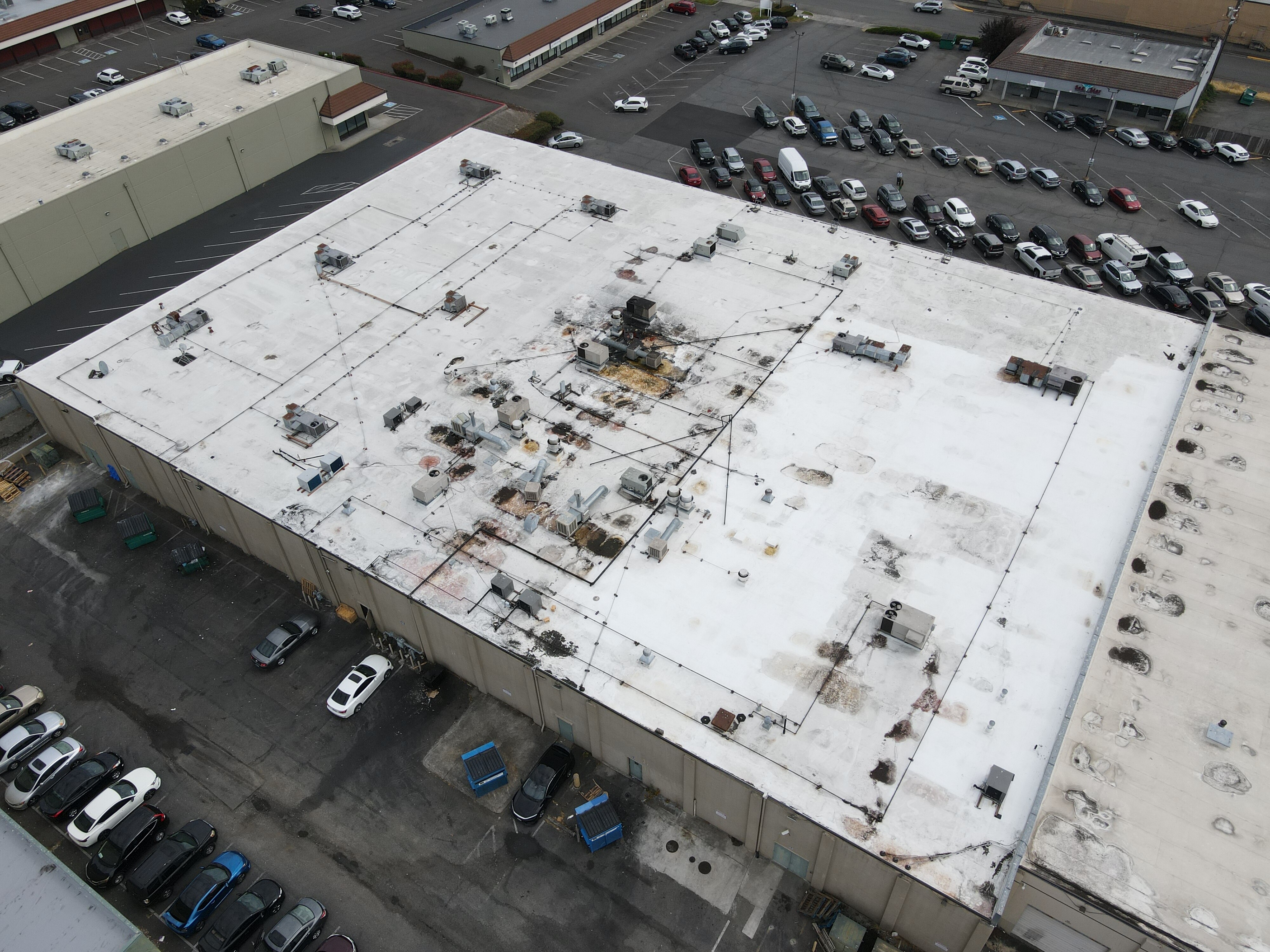
A reflective roof surface can reduce solar heat absorbed by the roof and may lower cooling demand in appropriate conditions. The result varies with climate, insulation, roof exposure, equipment, and building schedule. Heating-season effects should also be considered.
Reflectivity and insulation solve different parts of the heat-flow problem. A white membrane or coating is not a substitute for a suitable insulation assembly, air control, or functioning equipment.
Full roof replacement exposes the assembly and may require insulation changes to meet applicable energy and building code. It can also create an opportunity to improve continuity, add tapered insulation for drainage, replace wet areas, and coordinate curbs or flashing heights.
A recover or restoration project has different limits because most of the existing assembly remains. The design should show what insulation is being retained, added, removed, or left unchanged.
Factor | Why it matters | Evidence to review |
|---|---|---|
Existing assembly | The starting insulation and thermal bridges determine the improvement opportunity | Roof layers, thickness, condition, and selected verification |
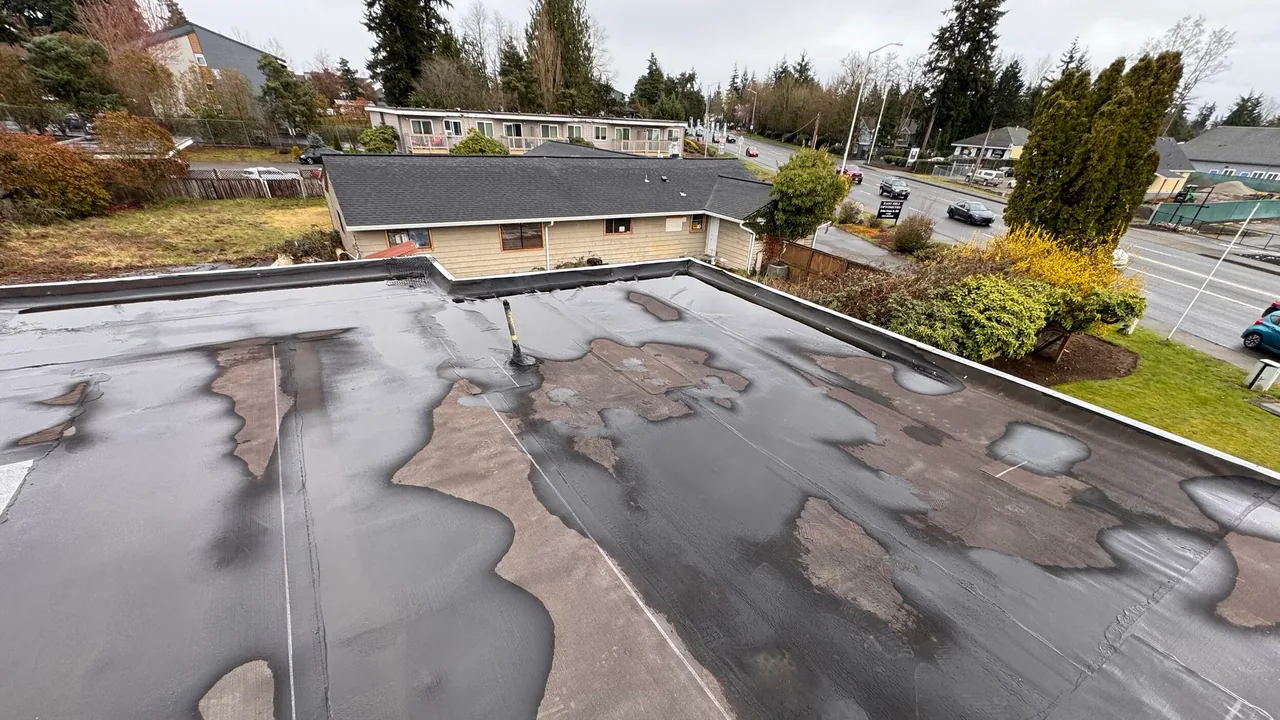
Moisture | Wet materials can lose performance and limit restoration or recover | Leak history, moisture survey, and verification |
Air leakage | Uncontrolled air movement can carry heat and moisture around insulation | Building-envelope conditions and interior pressure or humidity concerns |
Roof surface | Solar reflectance affects heat absorbed at the exterior surface | Climate, exposure, product data, and building schedule |
HVAC and use | Equipment, controls, occupancy, and process loads affect utility consumption | Energy history and qualified mechanical or energy analysis |
Flat Roof Pros evaluates the existing roof, moisture, drainage, detail heights, and replacement options before recommending insulation changes. Roofing findings can identify opportunities and limits; a precise energy-savings forecast may require a broader building and mechanical analysis.
Will more roof insulation always lower utility bills?
Not always. The result depends on the starting assembly, climate, air leakage, moisture, equipment, controls, occupancy, utility rates, and building use.
Can a reflective roof replace insulation?
No. A reflective surface can reduce solar heat absorption, while insulation resists heat flow through the assembly. They perform different functions.
Should wet insulation be left in place to avoid replacement cost?
Retained wet material can reduce performance and affect the roof system. Its extent and the appropriate removal scope should be evaluated before restoration, recover, or replacement.
Can Flat Roof Pros guarantee a percentage of HVAC savings?
No. Roofing can affect building loads, but a defensible savings estimate requires project-specific roof data and may require whole-building energy and mechanical analysis.
Flat Roof Pros can document the existing assembly, moisture, drainage, and insulation opportunities so the roof scope is based on verified conditions.
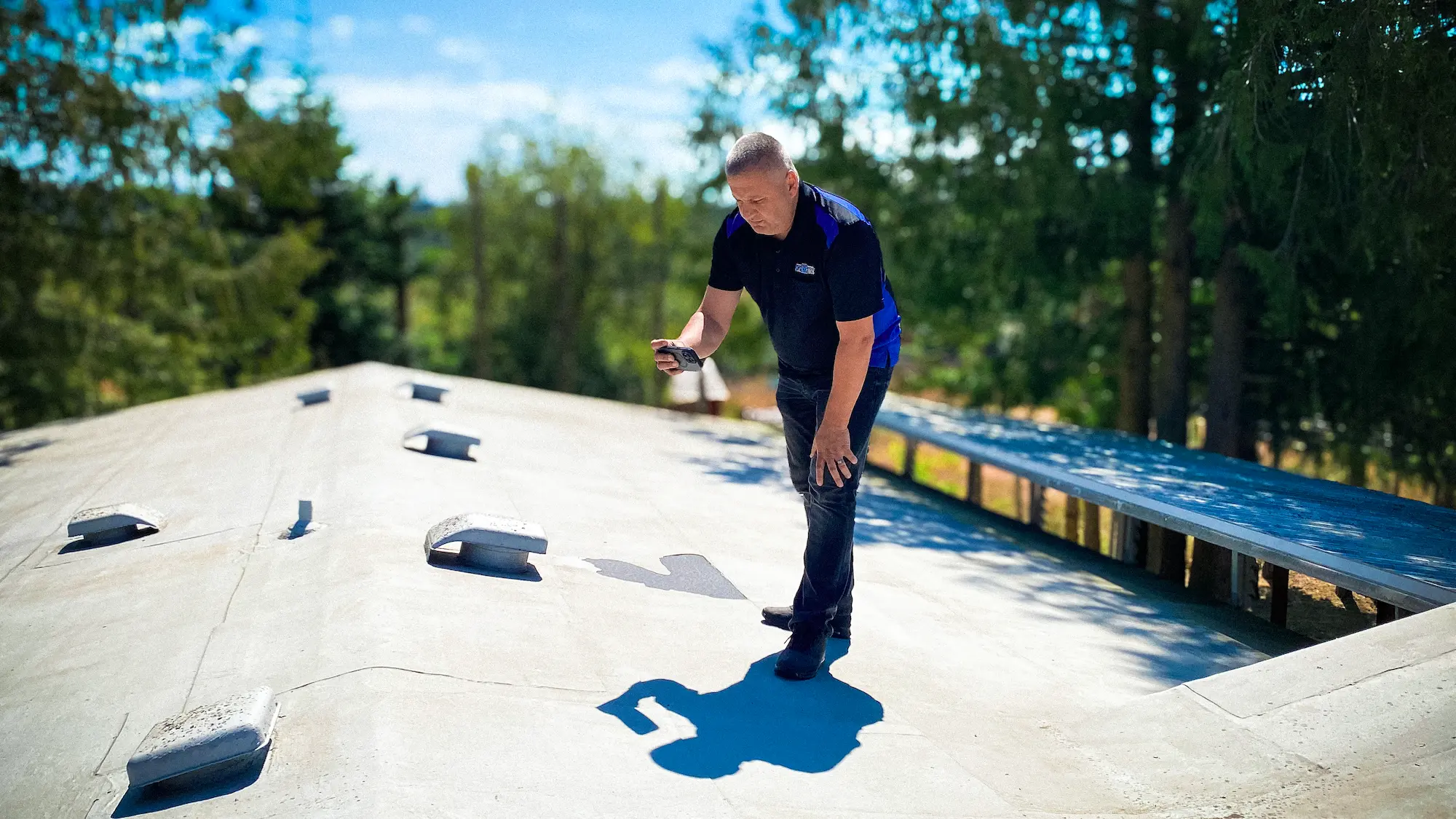

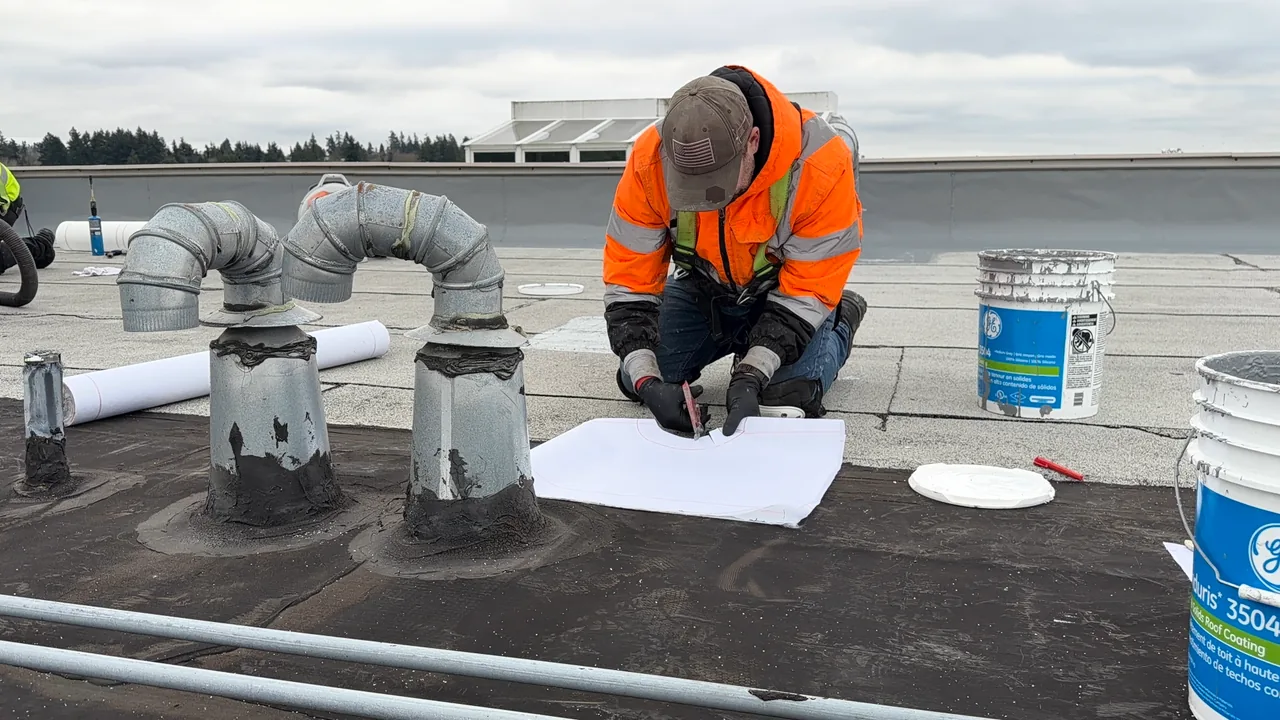
The follow-up plan owners need after active water is contained but the permanent repair is not complete.
A board-ready checklist of roofing information that supports reserve study updates and capital planning.
A pre-rain plan for drainage, known leak areas, rooftop details, communication, and portfolio priorities.
When a new roof may be installed over an existing system and when full removal deserves priority.
How retained moisture affects insulation, restoration eligibility, repair scope, and replacement planning.
A practical checklist for deciding whether a commercial roof should move into coating testing, corrective work, or replacement review.
A condition-based comparison of three common single-ply membranes for commercial roof replacement planning.
A practical comparison of flat roof diagnostic methods, their best use, and the limits owners should understand.
Why the visible ceiling stain may be far from the roof defect and what a useful leak investigation should trace.
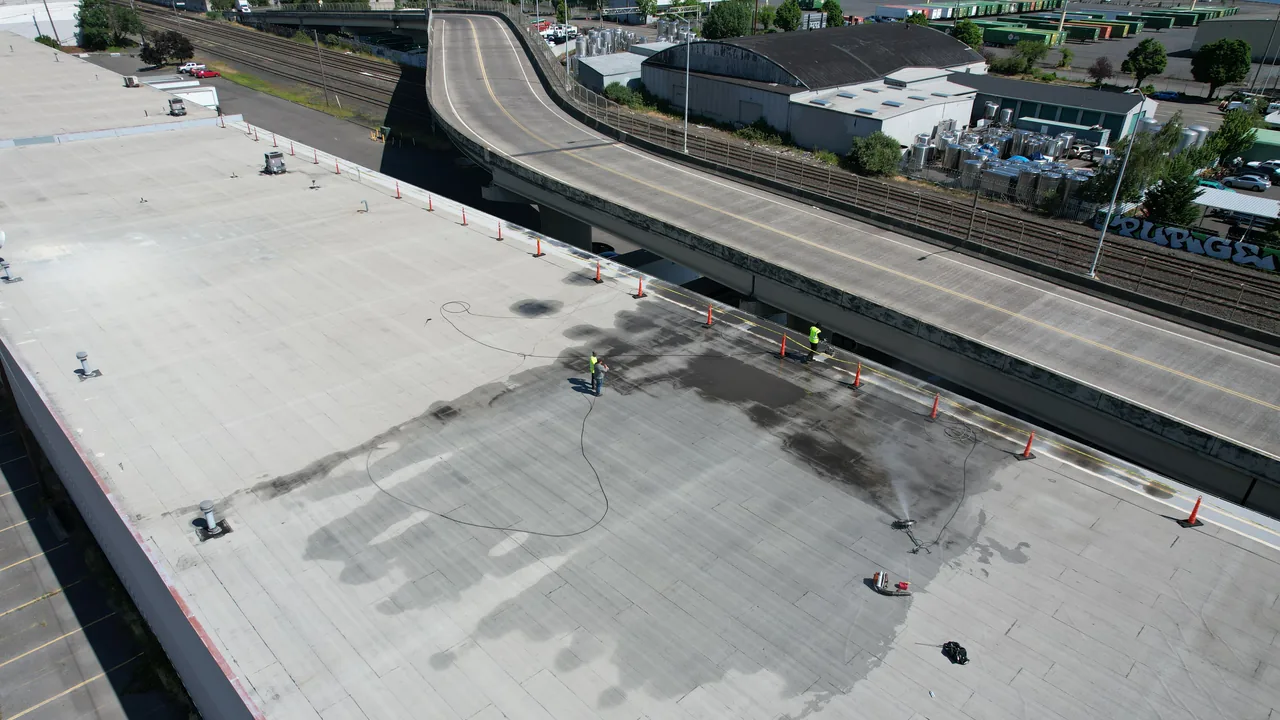
A bid comparison checklist for owners who need to separate real scope differences from headline price.
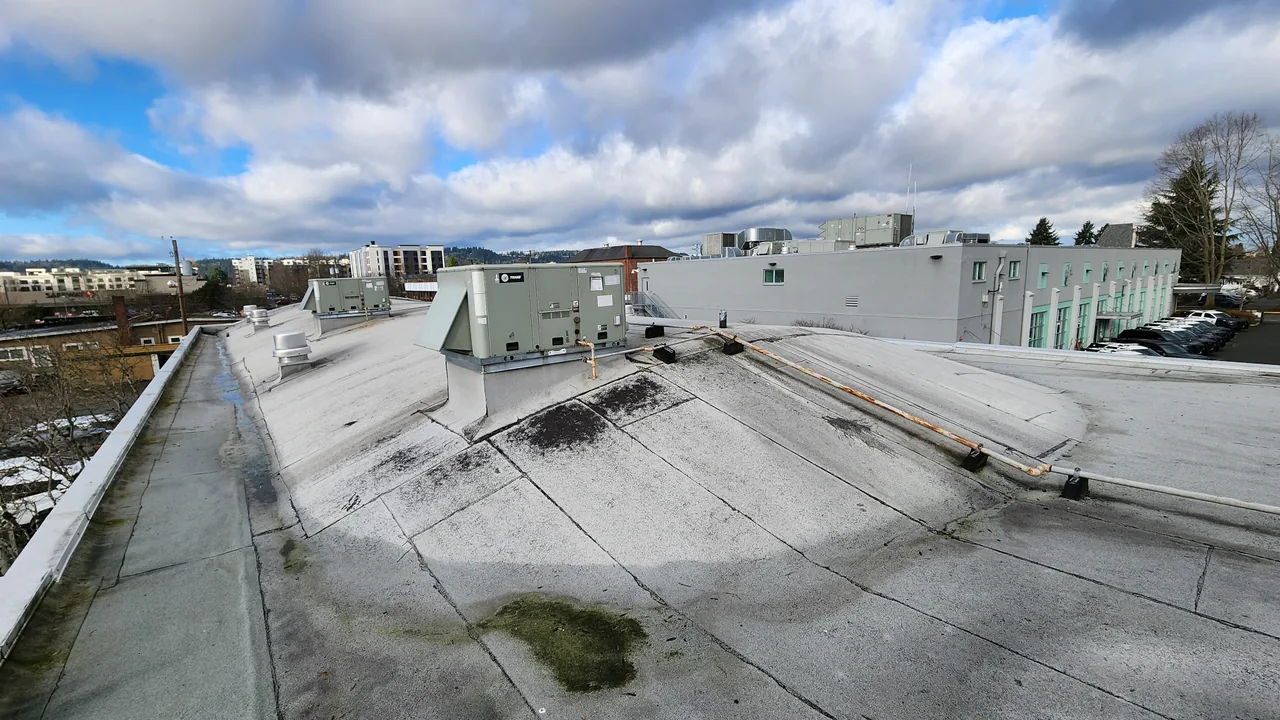
A practical guide to reading commercial roof findings as immediate, planned, or monitored priorities.
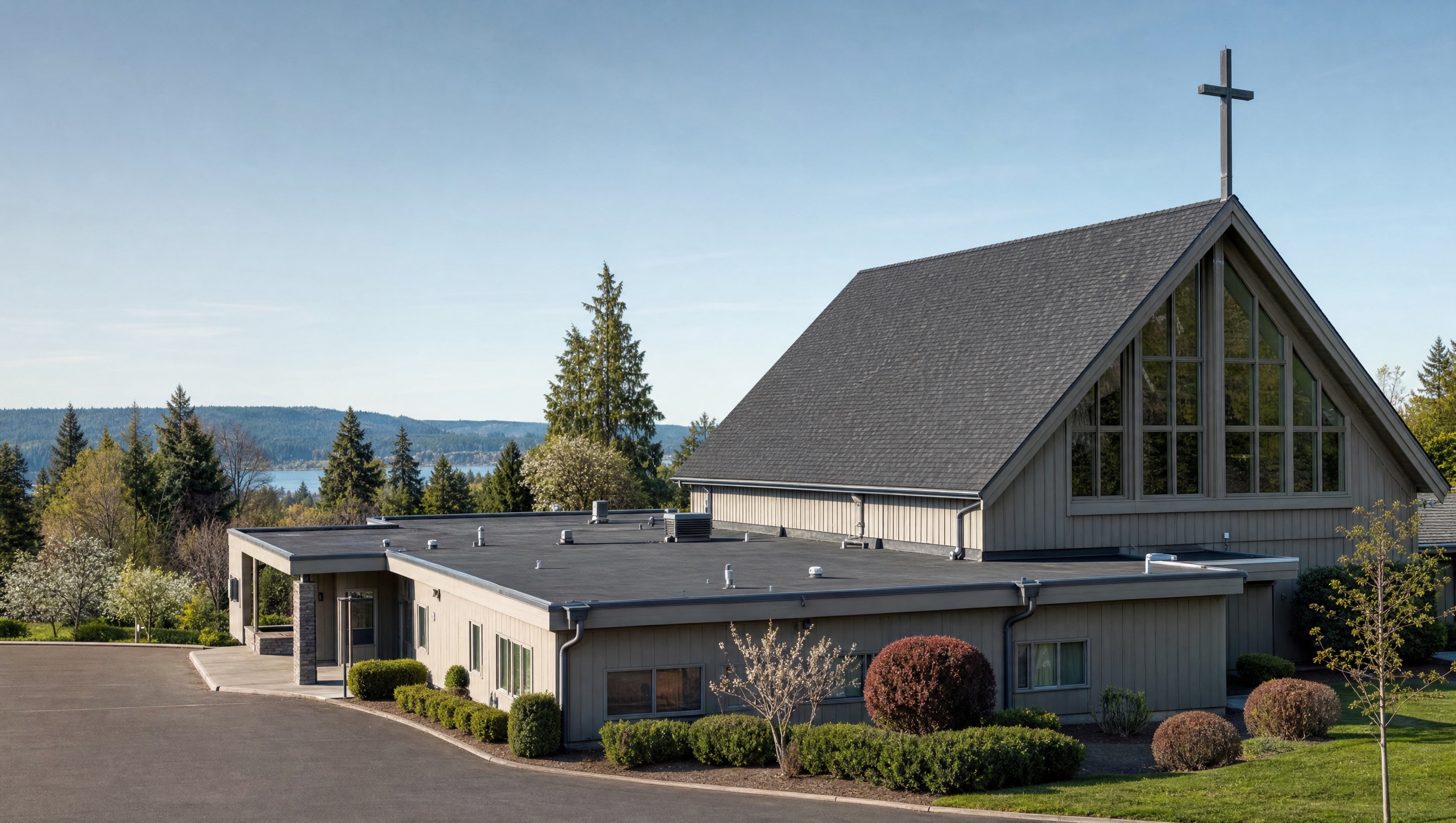
Built on Christian values of integrity, service, and compassion: a practical guide to church roofing discounts, inspection, board-ready scope, and scheduling in Washington.
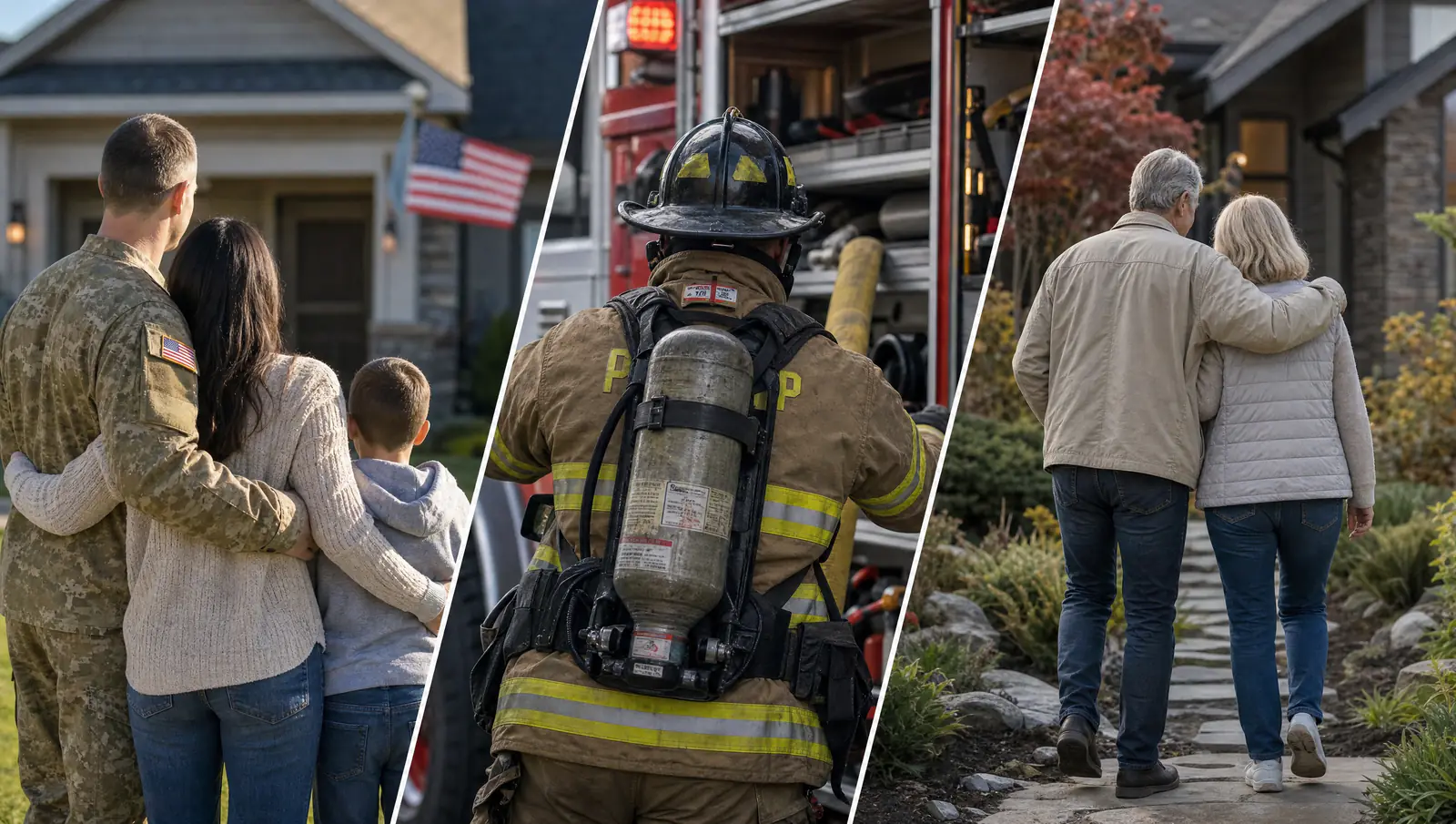
A clear guide to Flat Roof Pros discounts for seniors, military members, and first responders, including services, percentages, and how to request the offer.

A practical first-response guide for property managers and owners dealing with an active commercial roof leak in Seattle.
A guide for property managers and owners tired of paying for the same roof leak more than once.

A practical guide to ponding water on flat roofs in Seattle and when it needs professional diagnosis.

A decision guide for owners comparing commercial roof repair, restoration, and replacement options.

A practical restoration eligibility guide for commercial owners deciding between coating and tear-off.
A property-manager focused roofing guide built around documentation, clear scope, and fewer follow-up calls.

A guide for apartment, condo, and multi-family owners planning roof repairs around occupied buildings.
A board-focused guide for HOA and condo leaders preparing roof replacement approval.
A guide to paid roof inspection and certification use cases for owners, buyers, lenders, and boards.

A winter roofing guide explaining temporary mitigation, dry-ins, weather windows, and permanent repair limits.

A system-specific guide to TPO roof repair for Seattle commercial and multi-family properties.
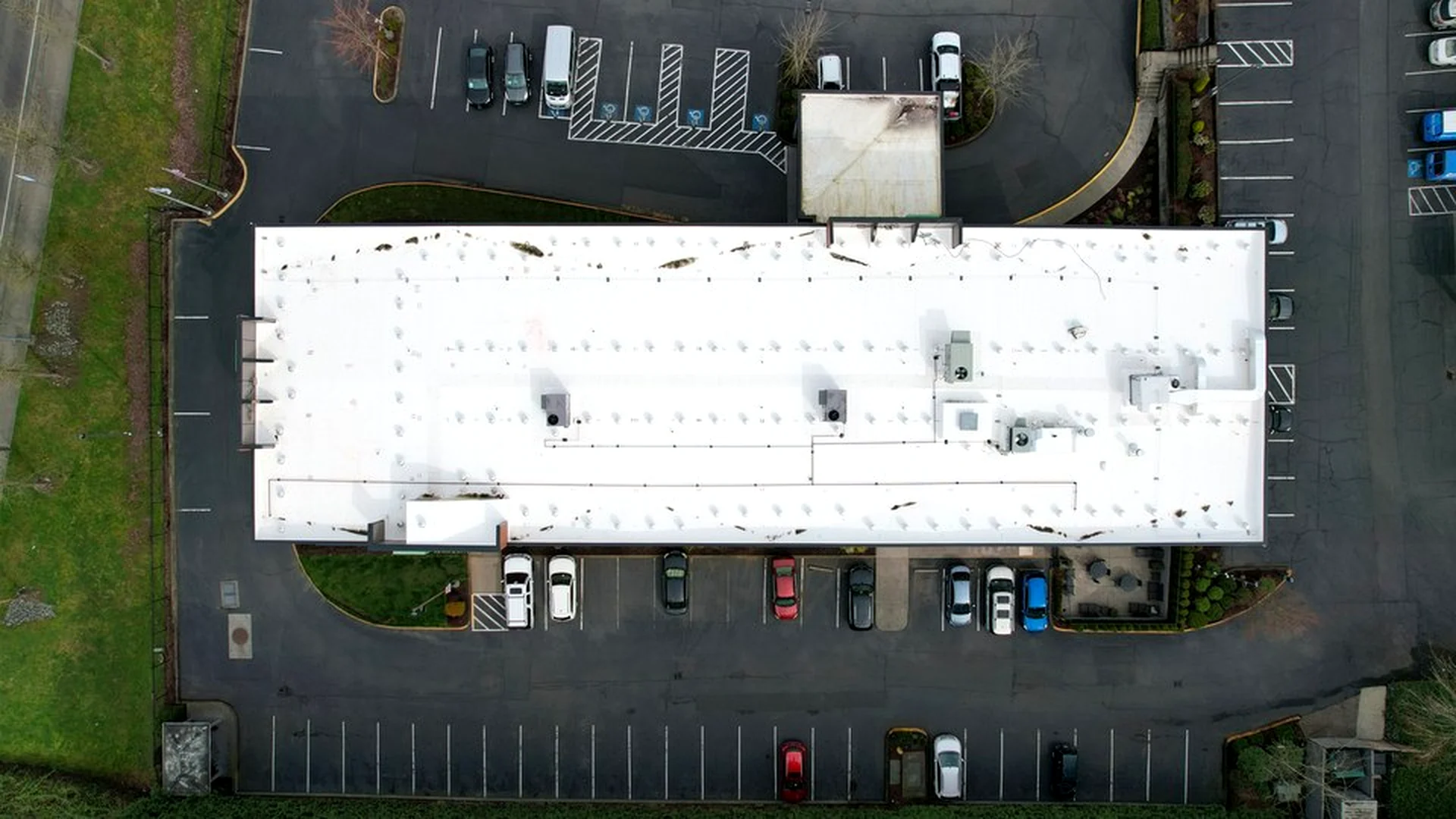
A guide to planning PVC roof replacement for commercial and low-slope properties in Seattle.

A practical guide to low-slope roof repair for Seattle properties with leaks, ponding, or hidden water paths.

A guide to annual roof health reports for commercial owners and property managers in Seattle.

A claim-aware but careful guide to storm roof inspection, damage reduction, and repair planning.

A communication guide for property managers preparing residents for apartment roof replacement work.

A guide to hidden damage, change-order evidence, and how owners can reduce surprise during roof tear-off.
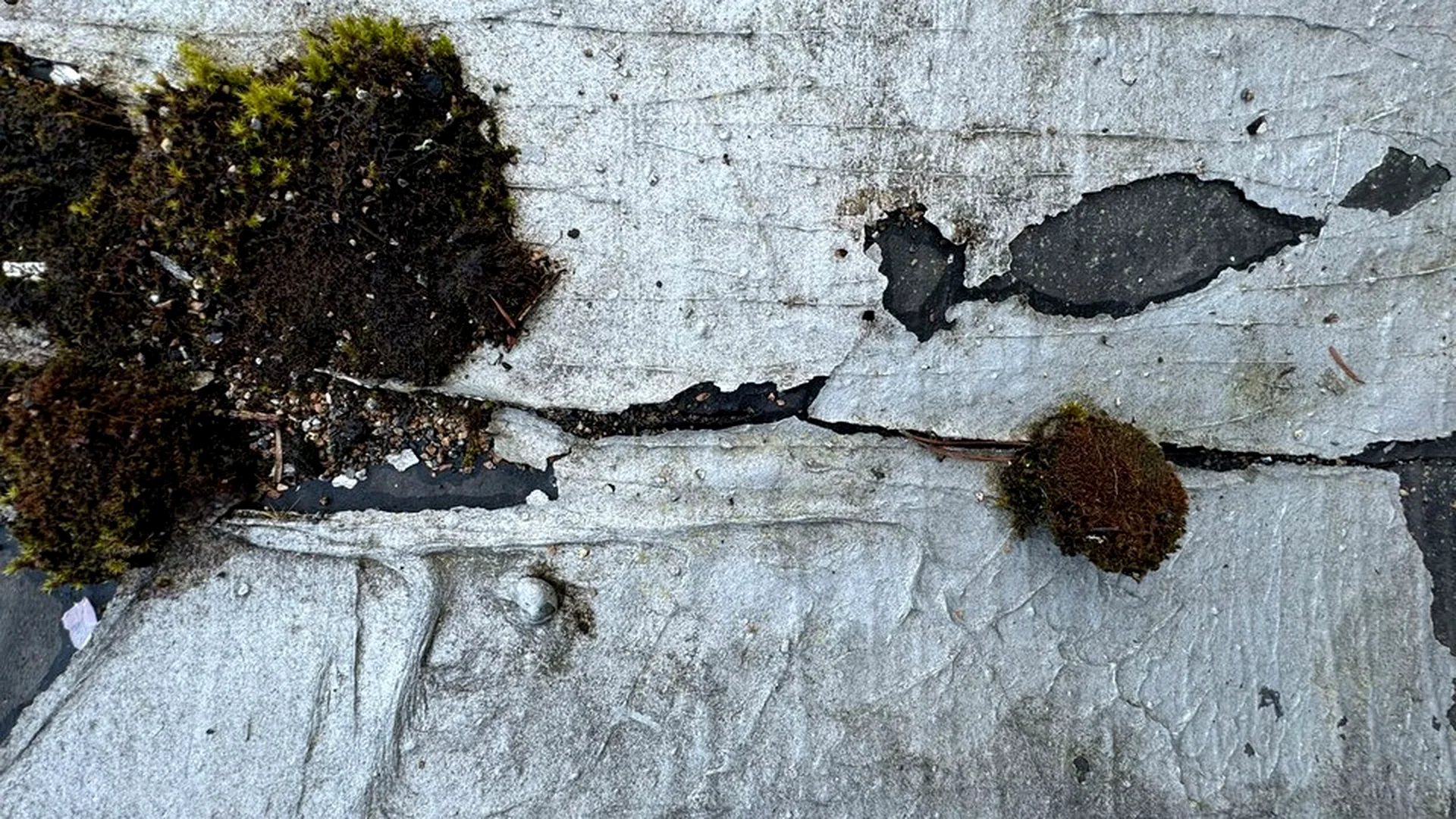
A practical guide to contractor red flags for owners comparing roof bids and repair scopes.
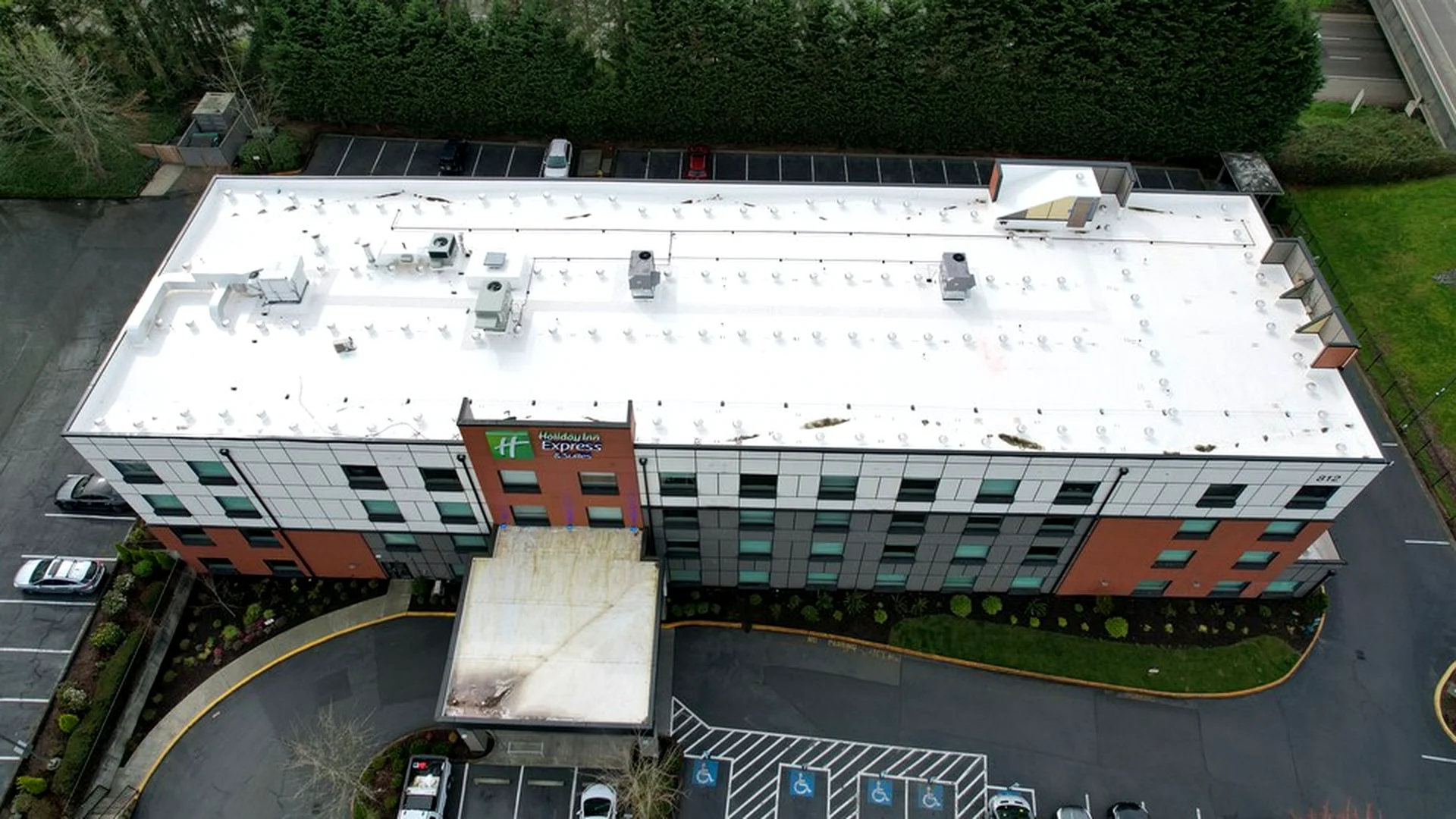
A business-continuity guide for commercial owners planning roof replacement on occupied buildings.

An executive guide to managing commercial roofs through inspection, priority maps, and capital planning.
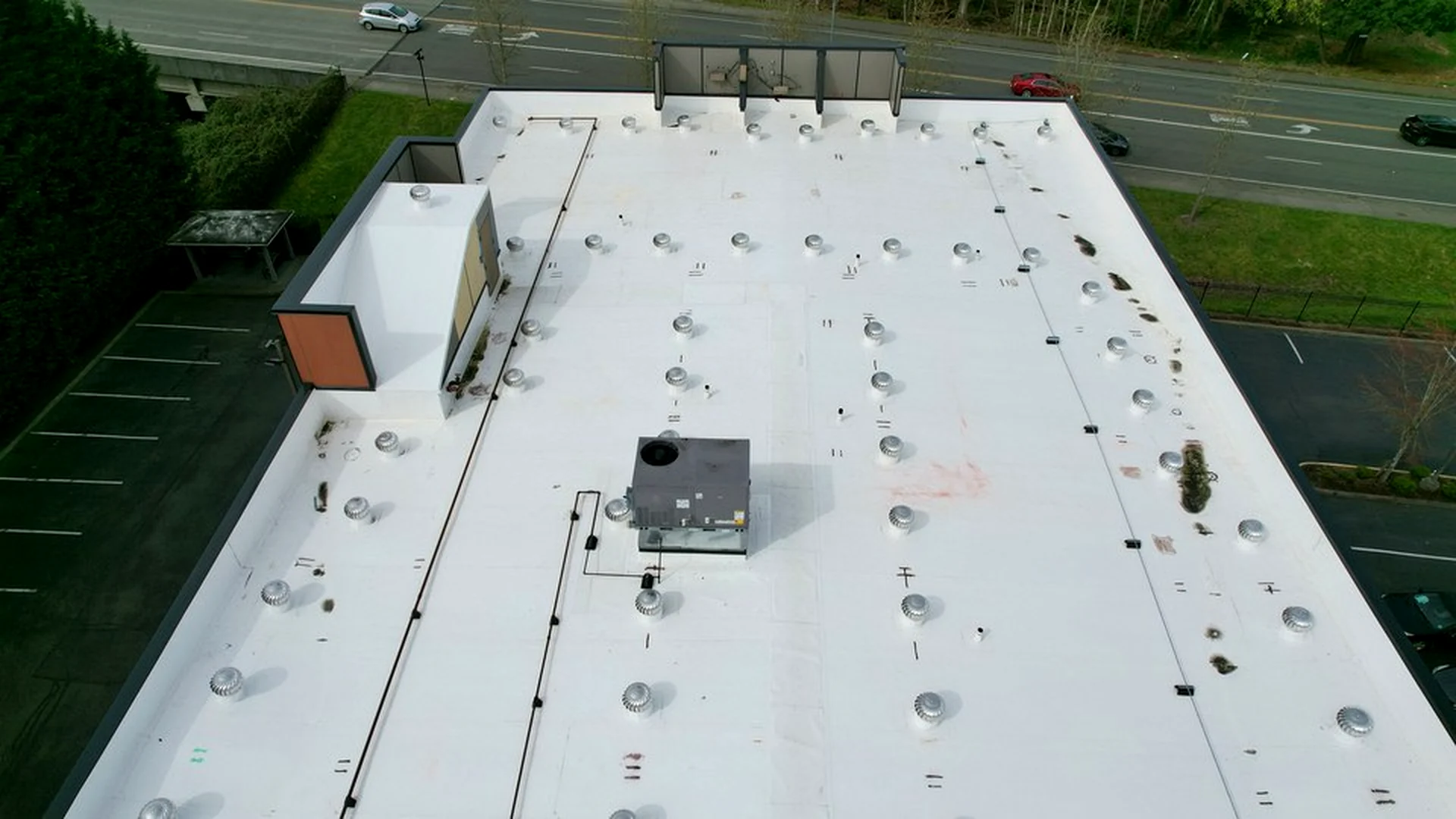
A technical guide for facility managers dealing with leaks near RTUs and rooftop equipment.
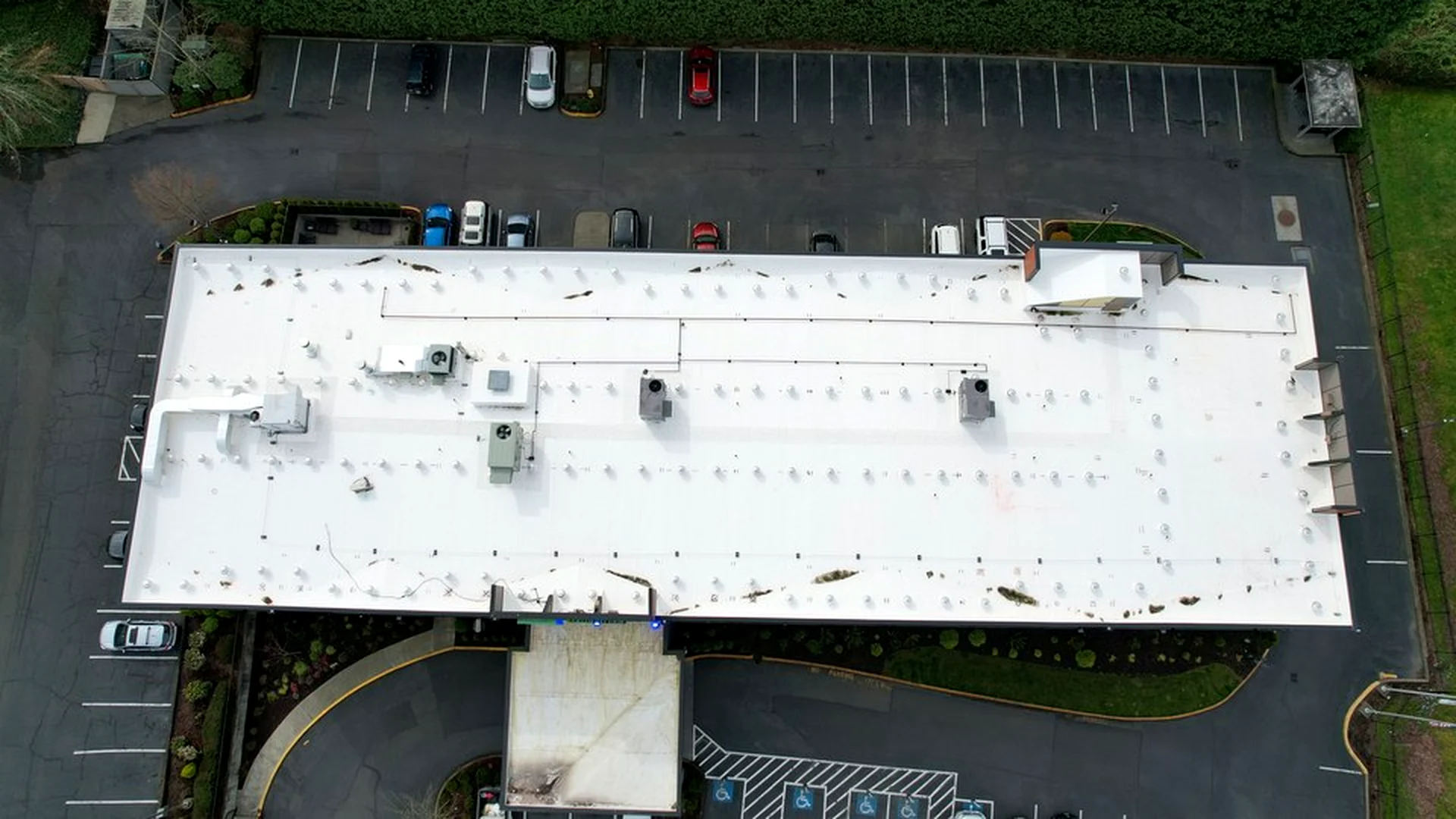
A technical guide to drainage fixes for Seattle flat roofs, from cleaning to tapered insulation planning.
A careful guide to documenting roof leaks when owners may need records for an insurer or internal review.
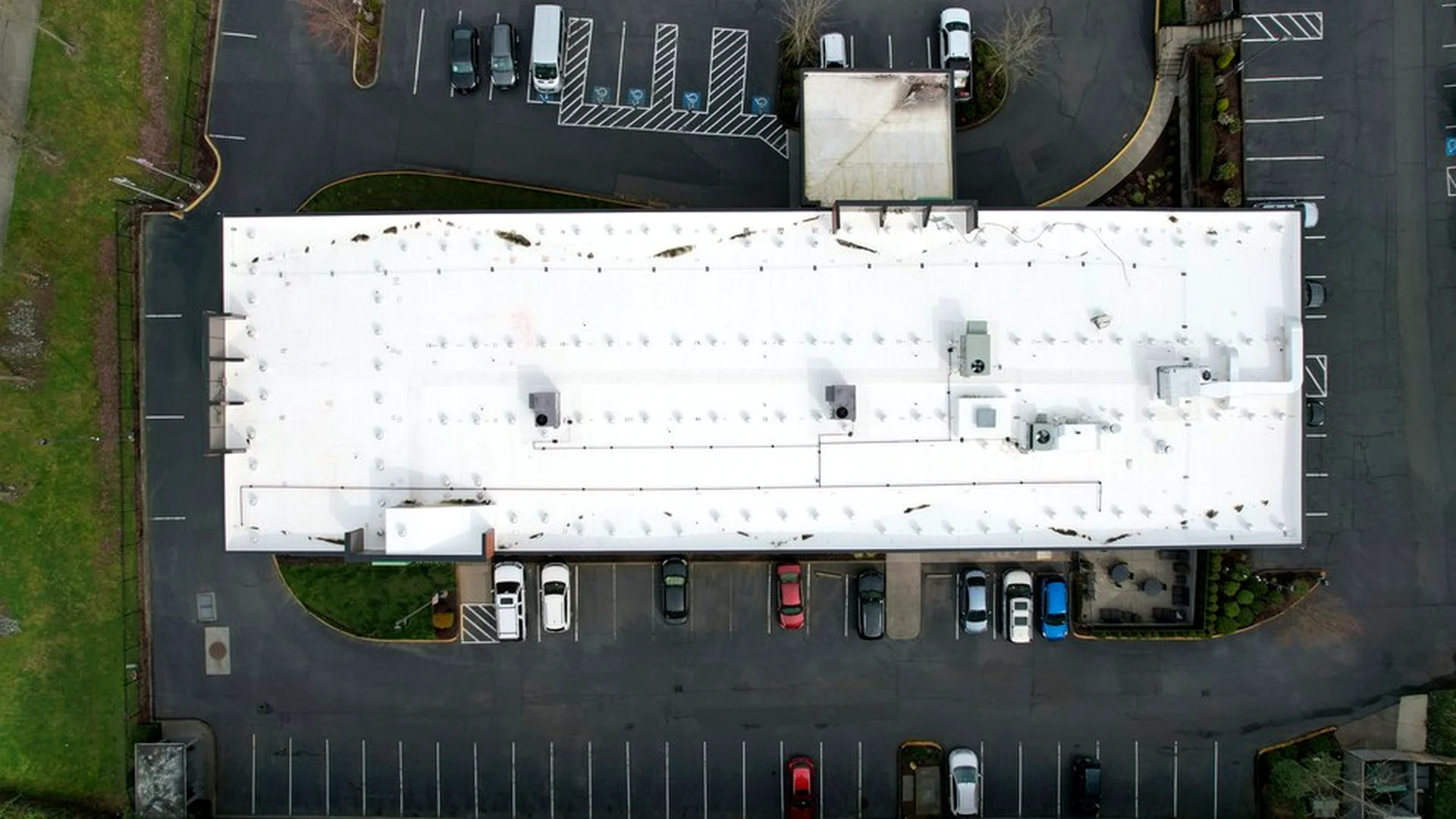
A Seattle commercial roofing guide focused on clear scope, occupied buildings, and documented roof decisions.

A Bellevue-focused guide for commercial owners deciding whether to repair, restore, or replace a roof.

A Puget Sound flat roof repair guide focused on drainage, weather, leak paths, and documented repair decisions.

A guide to roof maintenance records and why commercial owners should document inspections and repairs.

A guide for property managers who need one clear roof condition report across multiple buildings or properties.
An emergency guide for owners and managers dealing with water intrusion from a commercial roof leak.

A homeowner and owner guide to honest roof assessments, photo evidence, and clear repair or replacement options.

Flat roofs require regular inspections to prevent leaks, structural damage, and costly repairs. Knowing how to inspect a flat roof properly can help catch issues early—before they become major problems.
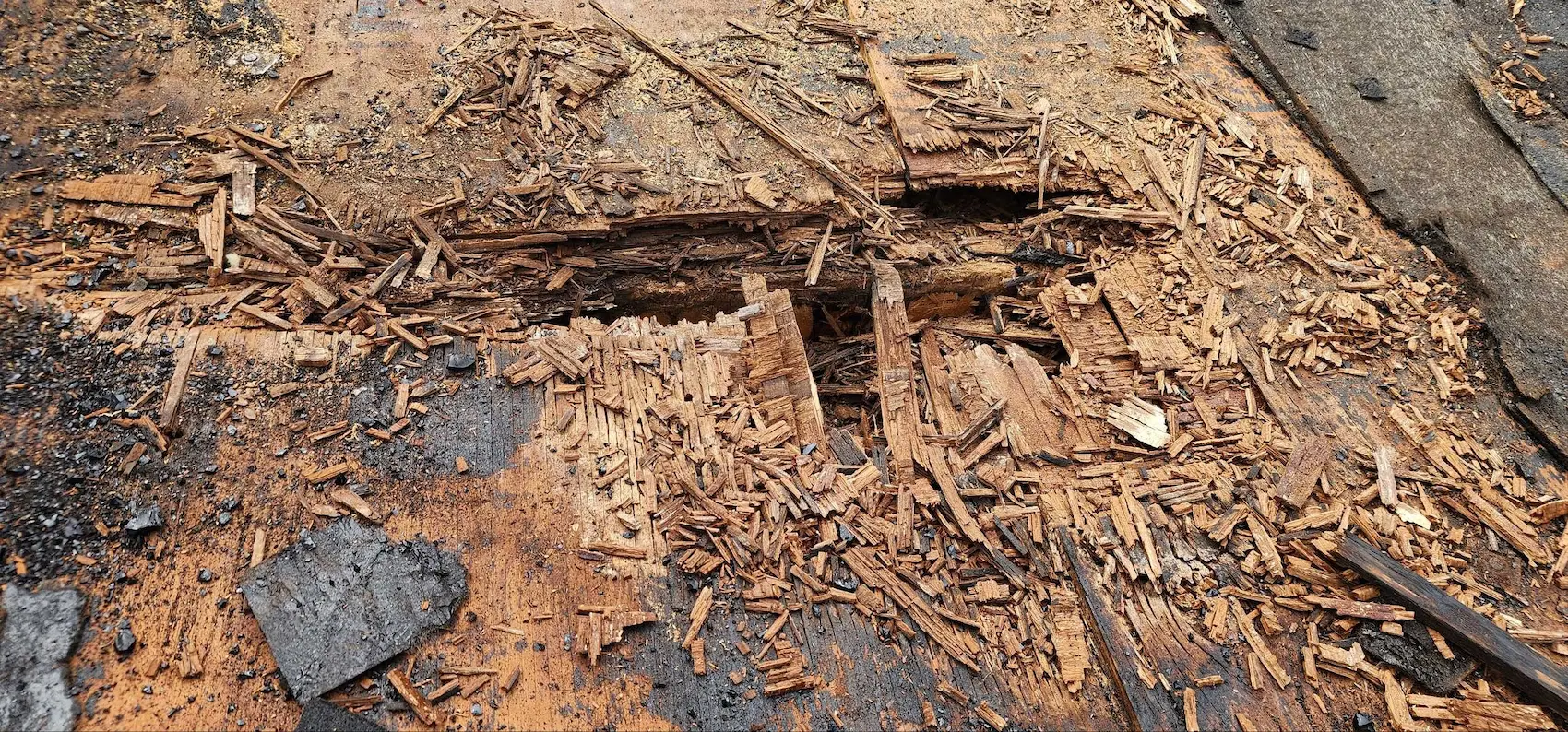
Protect your property by learning how to recognize subtle signs of sheathing issues before they turn into serious problems.

Confused about warm vs cold roofs? Learn how insulation placement, ventilation, and climate impact your roof’s performance and long-term value.
Areas We Serve Roofing
Benton County
Clackamas County
Clark County
Cowlitz County
Island County
Jefferson County
King County
Kitsap County
Mason County
Multnomah County
Pierce County
San Juan County
Skagit County
Snohomish County
Spokane County
Stevens County
Thurston County
Walla Walla County
Washington County
Whatcom County
Whitman County
Our Locations
Head Office
Seattle, Washington
3420 C St NE, Unit 403
Auburn, WA 98002
Eastern Washington Office
Spokane, Washington
601 W 1st Ave, Suite 1400
Spokane, WA 99201
Oregon Office
Portland, Oregon
650 NE Holladay St, Ste 1600
Portland, OR 97232