
Let’s Schedule Your Free Estimate
Don’t wait for the first leak call. Get ahead with a fast roof check.

<<An HOA roof reserve study needs verified roof areas and systems, installation and repair history, current condition, immediate repair needs, a supportable remaining-life range, replacement assumptions, phasing options, current cost inputs, photos, and stated limitations.>>
A roofing report can supply technical condition and scope information, but it is not automatically the association's reserve study. The reserve professional and board use roofing data with funding, governance, legal, and other component information to prepare the broader plan.
For Washington associations, applicable law and governing documents should be reviewed with qualified reserve and legal professionals. This article explains the roofing inputs a board can organize; it is not legal or reserve-study advice.
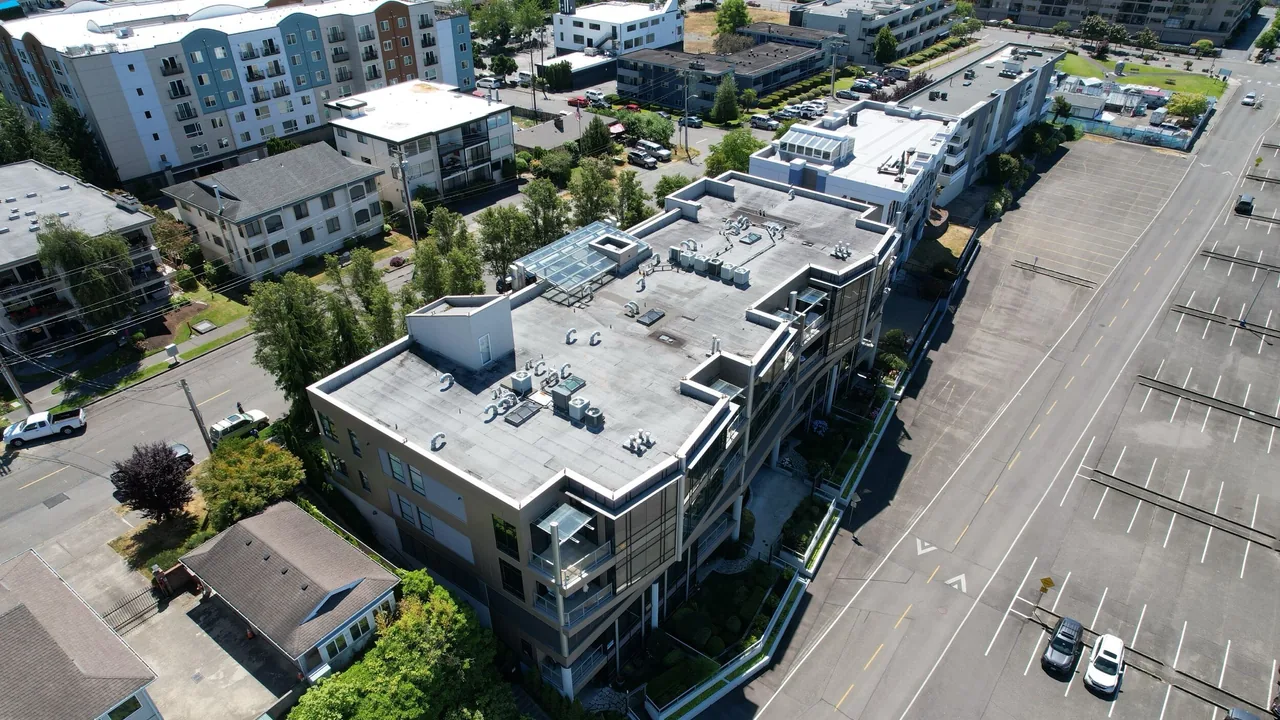
List each building, roof area, slope type, membrane or covering, approximate size, installation date when known, warranty, major repair, restoration, and replacement history. Mixed flat and pitched systems should be separated because their maintenance and replacement assumptions differ.
A site plan or roof map helps the board connect every condition, cost, and future project to the correct component. Avoid one generic line item when buildings or roof sections have different ages.
The roofing input should document drainage, membrane or covering condition, seams, flashings, penetrations, edges, rooftop equipment, previous repairs, interior leak history, and known moisture. Photos should show location and context.
Separate immediate corrective work from capital replacement planning. A current leak repair may be needed even when the full roof remains in a later reserve year.
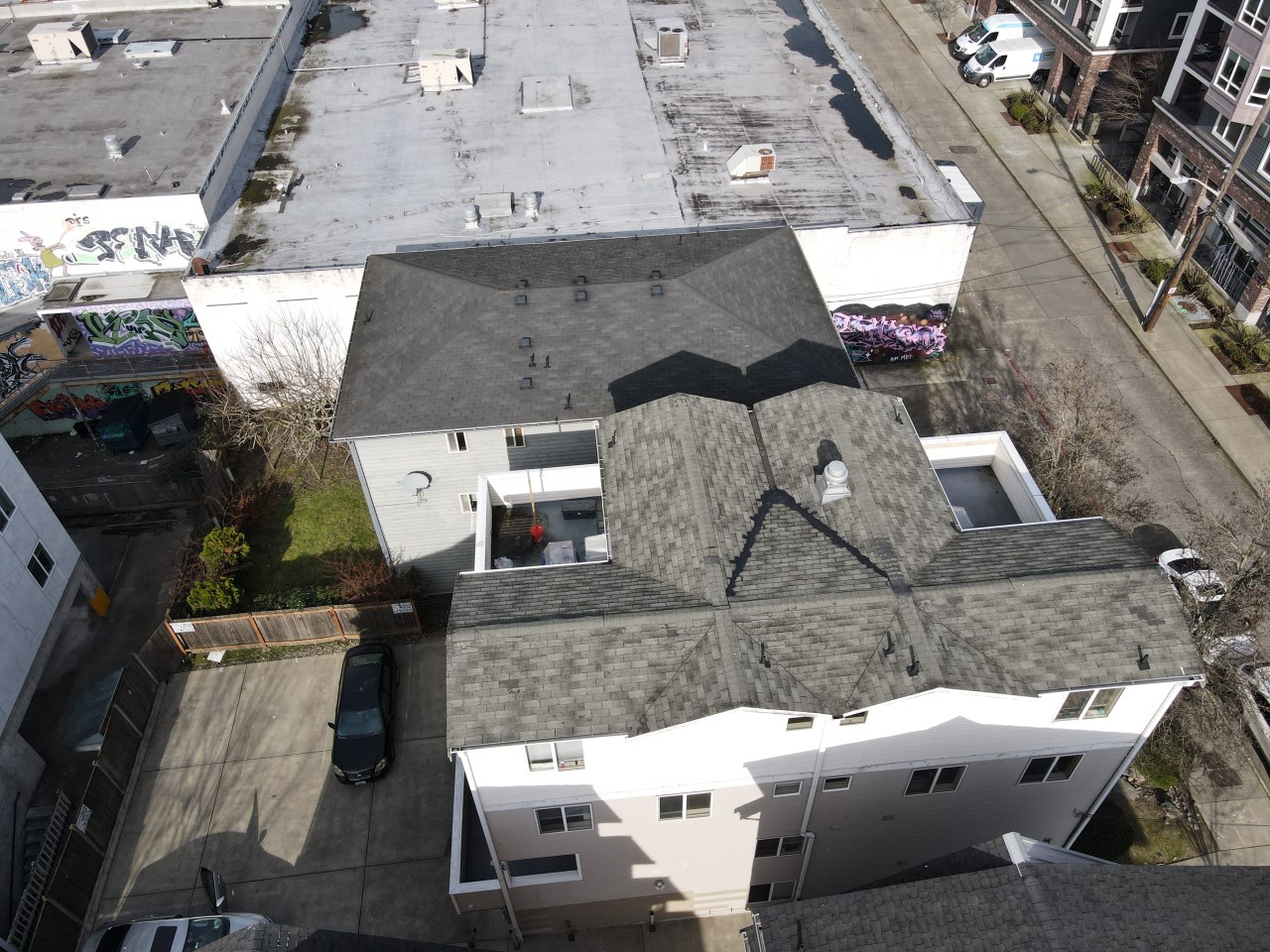
Roof service life is not a countdown clock. Installation quality, maintenance, drainage, climate, traffic, repairs, moisture, and use can move the practical replacement window. The report should state the basis for the range and the conditions that could shorten it.
If installation records are missing or concealed conditions are unknown, say so. A false exact date can create more board conflict than a supportable range with defined follow-up inspections.
A replacement budget should identify measured area, tear-off or recover assumption, insulation, deck allowance, drainage, details, access, staging, permits, design or consulting needs, and contingency basis. Current cost is not the same as future funded cost.
The reserve professional should apply the appropriate inflation, funding, and update methodology. The roofer's role is to make the physical scope and current assumptions understandable.
Roofing input | How the board uses it | Important limitation |
|---|---|---|
Inventory and roof map | Separates components by building, area, system, and age | Missing records may require field verification |
Condition and priority | Distinguishes current repair from planned capital work | Represents the inspection date and accessible conditions |
Remaining-life range | Supports timing scenarios and update triggers | Not a warranty or exact failure date |
Replacement scope and current cost | Provides a basis for reserve funding calculations | Future escalation and funding methods are separate decisions |
Phasing and logistics | Helps plan approvals, resident communication, and sequencing | Final design and field conditions can change the project |
Flat Roof Pros can document roof areas, condition, priorities, repair history, practical options, and current scope assumptions. The association can provide that roofing evidence to its reserve professional, board, manager, and advisors for the broader planning process.
Is a roofing inspection the same as a reserve study?
No. A roofing inspection can provide condition, scope, and cost inputs. A reserve study addresses the association's broader components, funding analysis, and applicable requirements.
Can a roofer guarantee the remaining life of an HOA roof?
No. A report can provide a supportable range based on observed condition, records, maintenance, and assumptions, but it cannot guarantee an exact replacement date.
Should all association roofs be replaced at once?
Not automatically. Age, condition, system compatibility, access, economies of scale, transitions, funding, and resident impact should be compared before phasing is chosen.
How often should roofing data be updated?
Update after significant leaks, repairs, storms, rooftop work, major condition changes, and the inspection cycle used by the association and its reserve professional.
Flat Roof Pros can organize roof condition, priorities, photos, and scope assumptions for use in association planning and reserve-study coordination.

The follow-up plan owners need after active water is contained but the permanent repair is not complete.
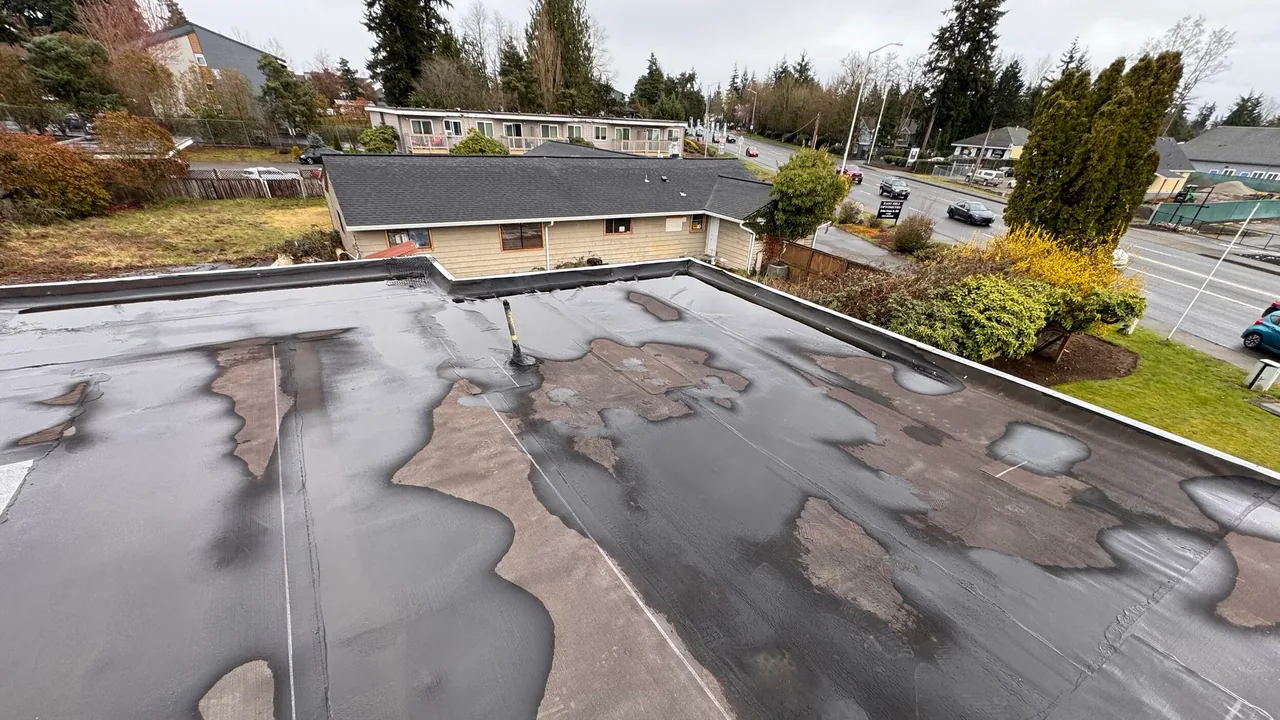
A pre-rain plan for drainage, known leak areas, rooftop details, communication, and portfolio priorities.
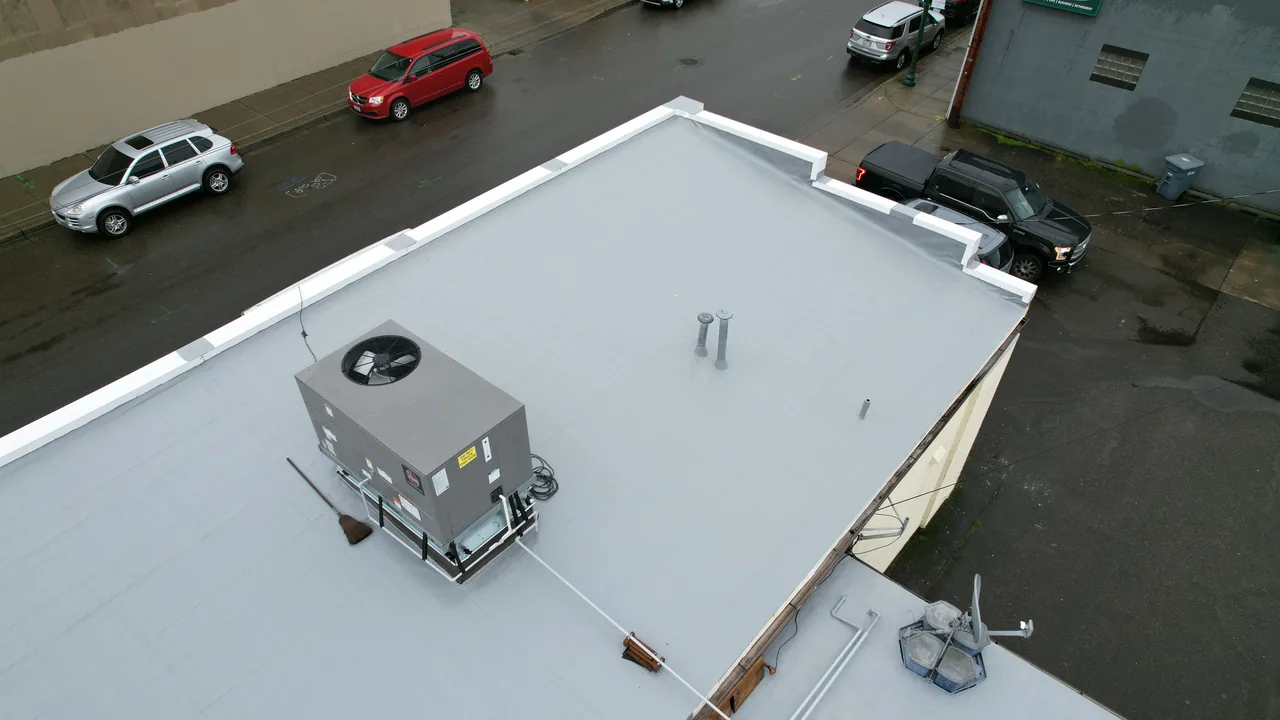
How roof insulation affects heating and cooling demand, what limits the savings, and what owners should verify before investing.
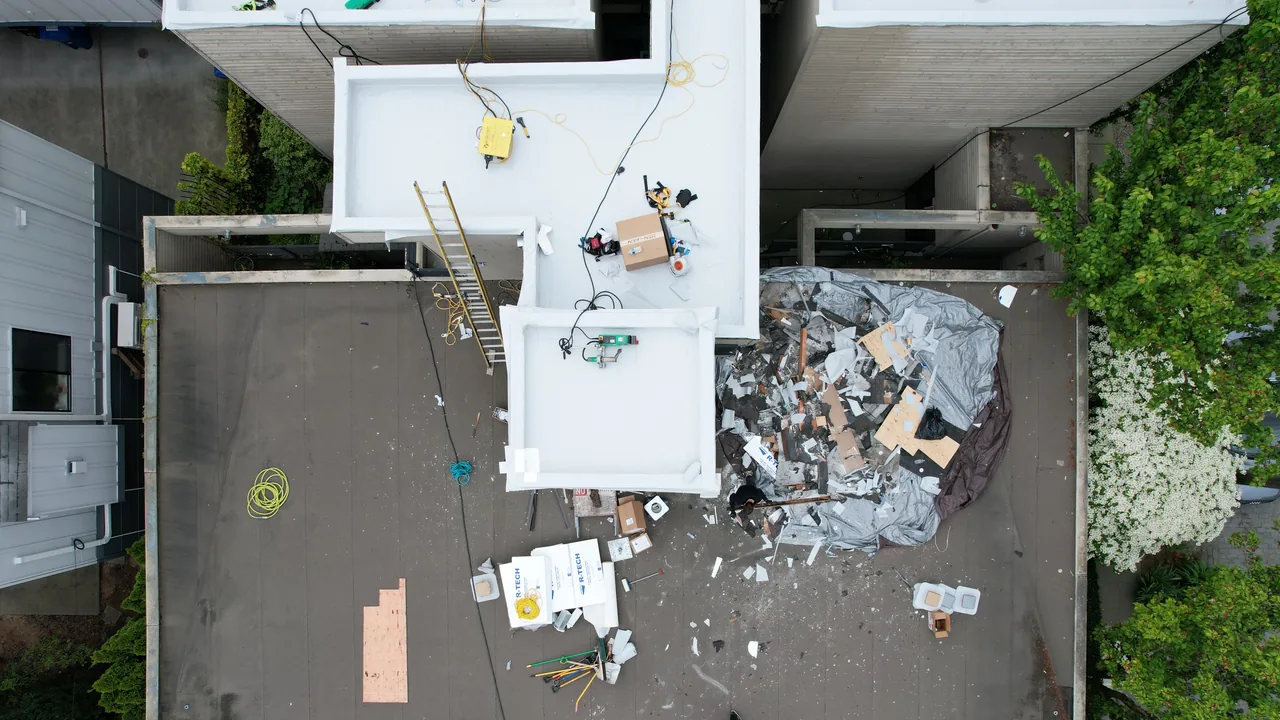
When a new roof may be installed over an existing system and when full removal deserves priority.
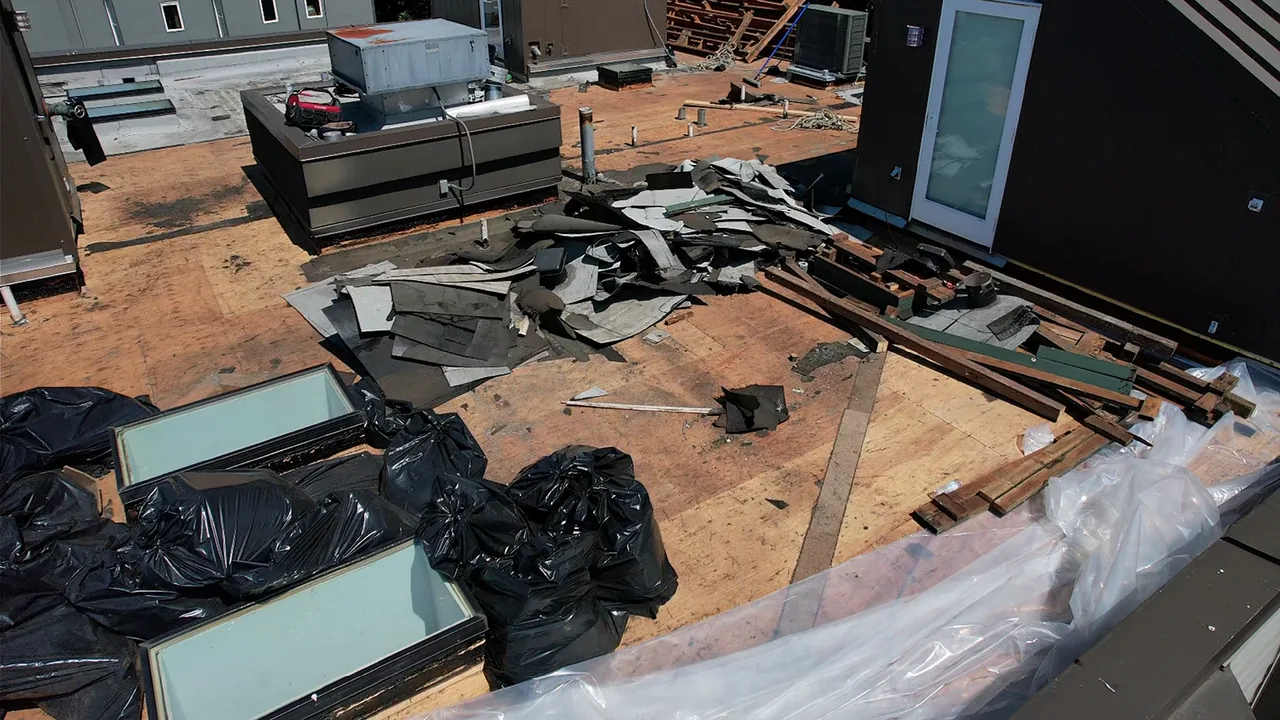
How retained moisture affects insulation, restoration eligibility, repair scope, and replacement planning.
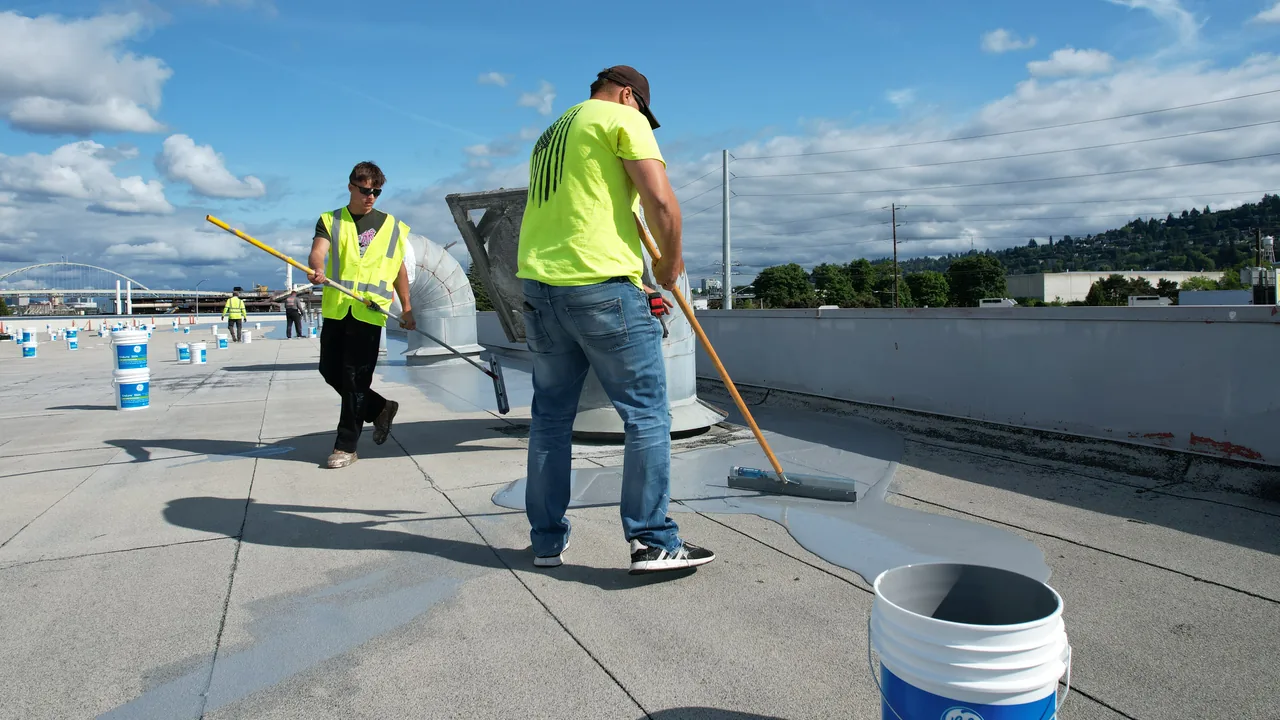
A practical checklist for deciding whether a commercial roof should move into coating testing, corrective work, or replacement review.
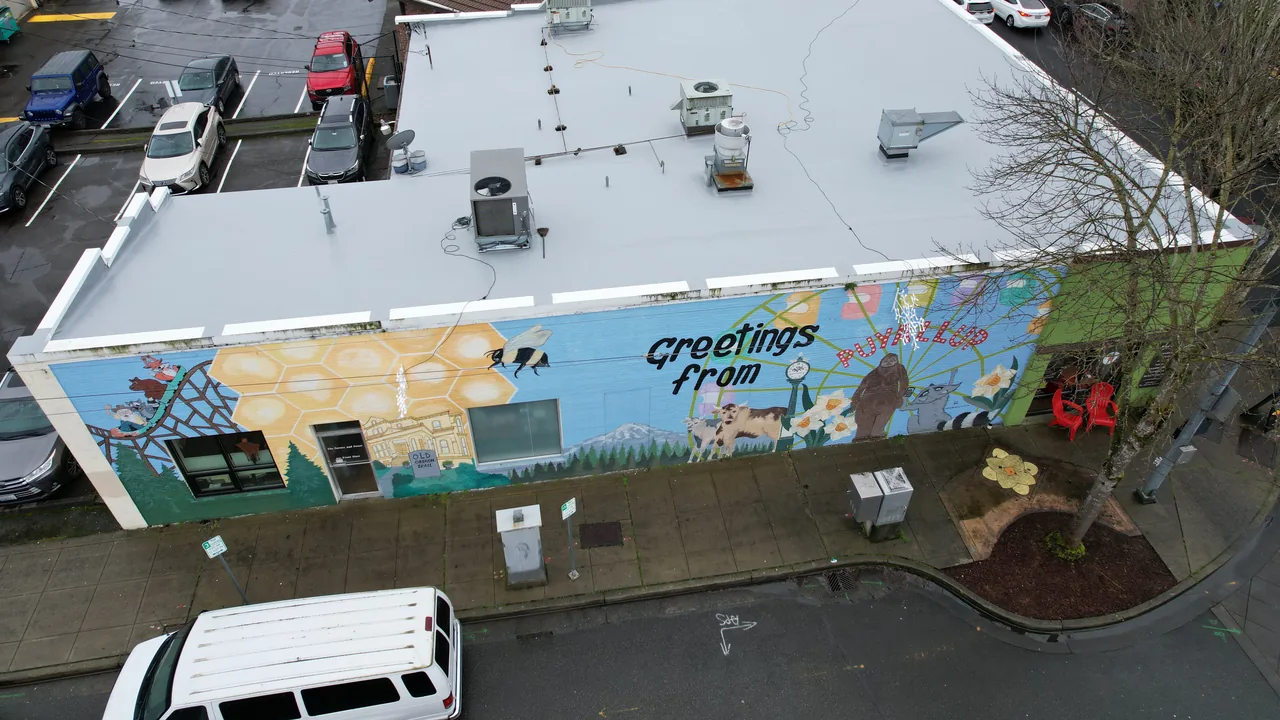
A condition-based comparison of three common single-ply membranes for commercial roof replacement planning.
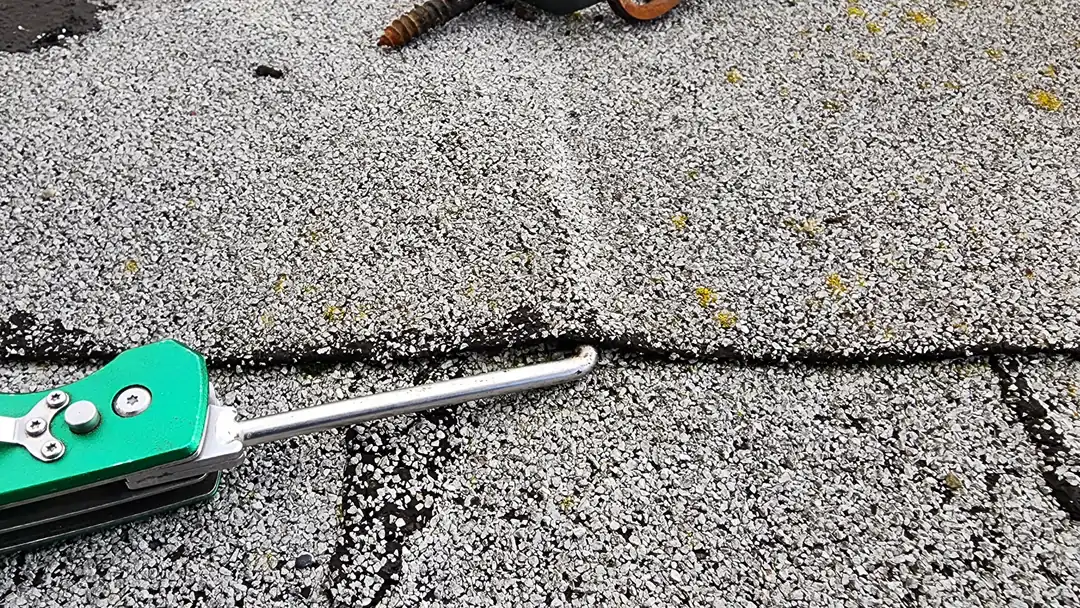
A practical comparison of flat roof diagnostic methods, their best use, and the limits owners should understand.
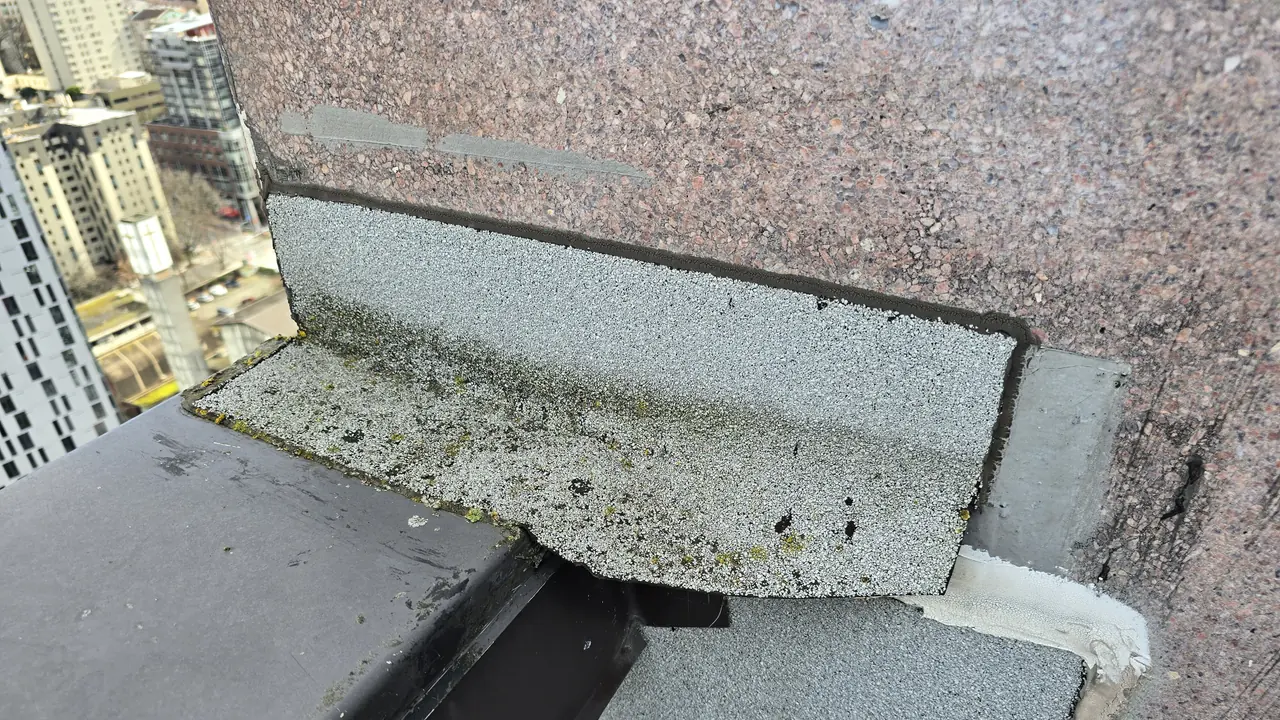
Why the visible ceiling stain may be far from the roof defect and what a useful leak investigation should trace.
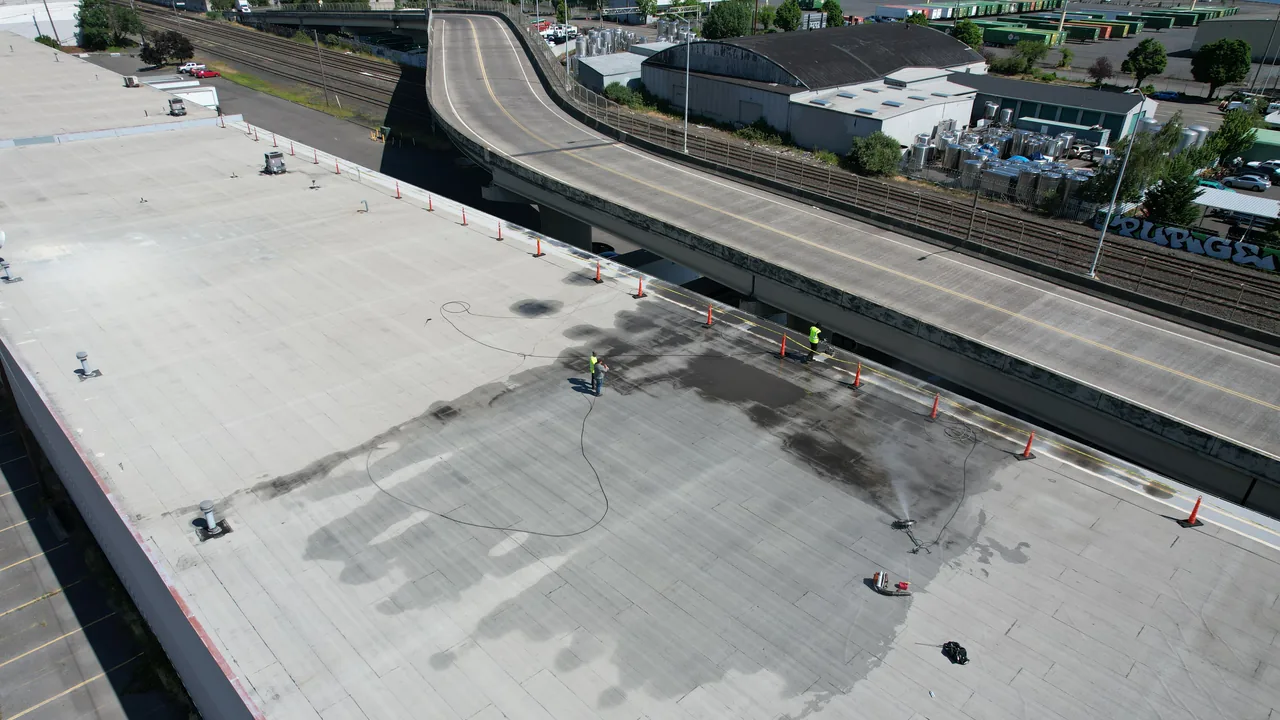
A bid comparison checklist for owners who need to separate real scope differences from headline price.
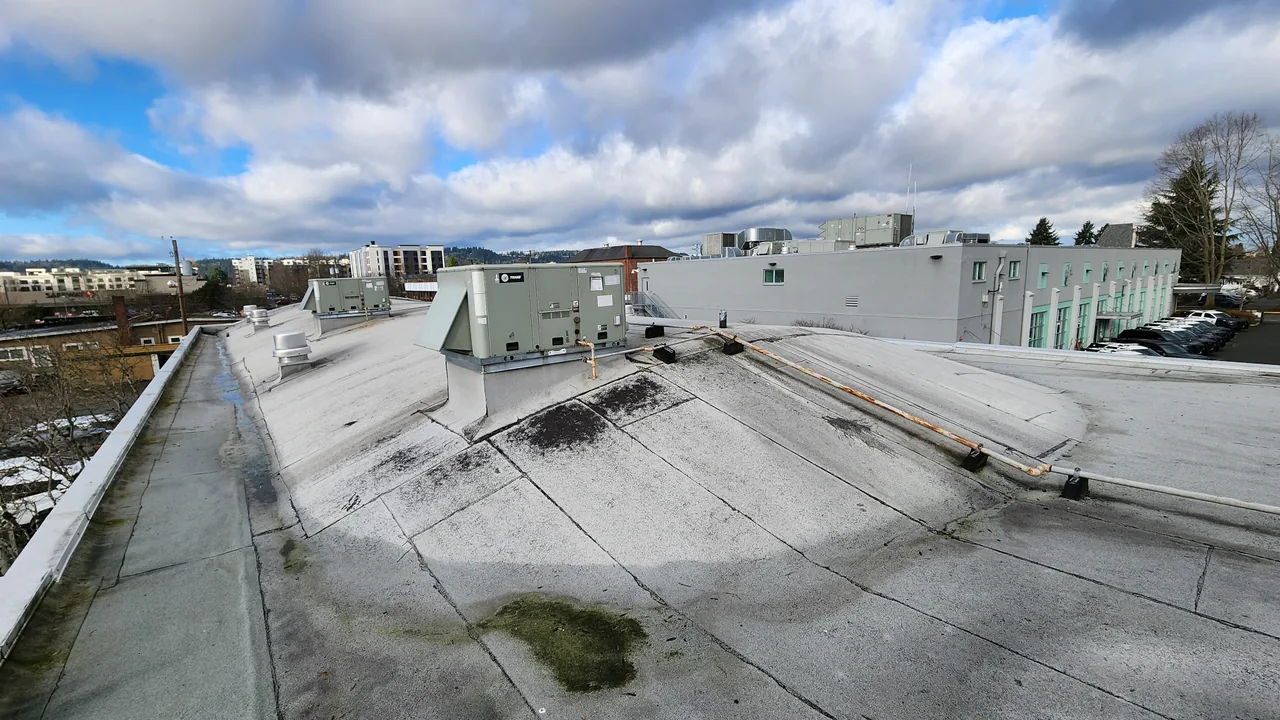
A practical guide to reading commercial roof findings as immediate, planned, or monitored priorities.
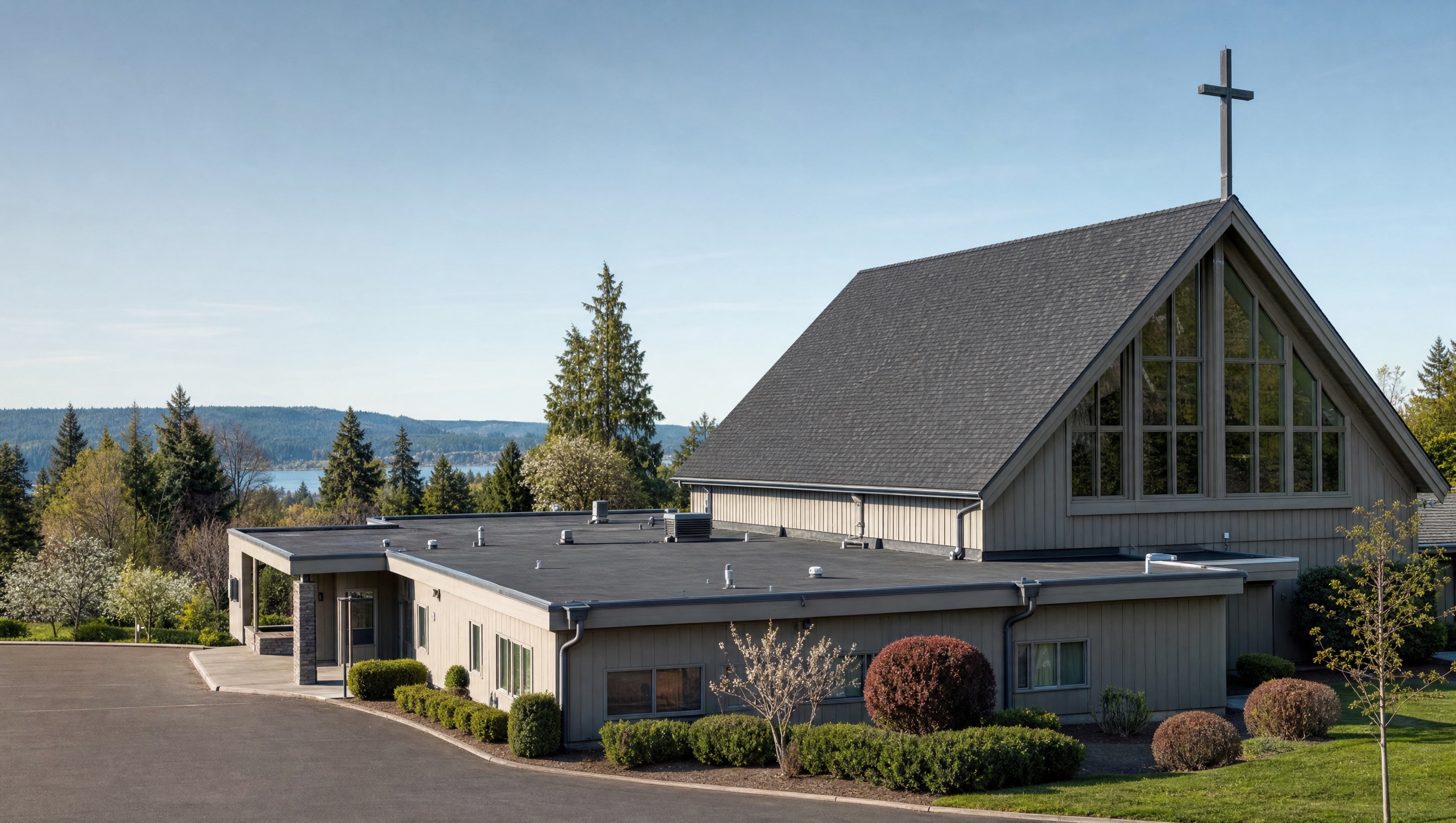
Built on Christian values of integrity, service, and compassion: a practical guide to church roofing discounts, inspection, board-ready scope, and scheduling in Washington.
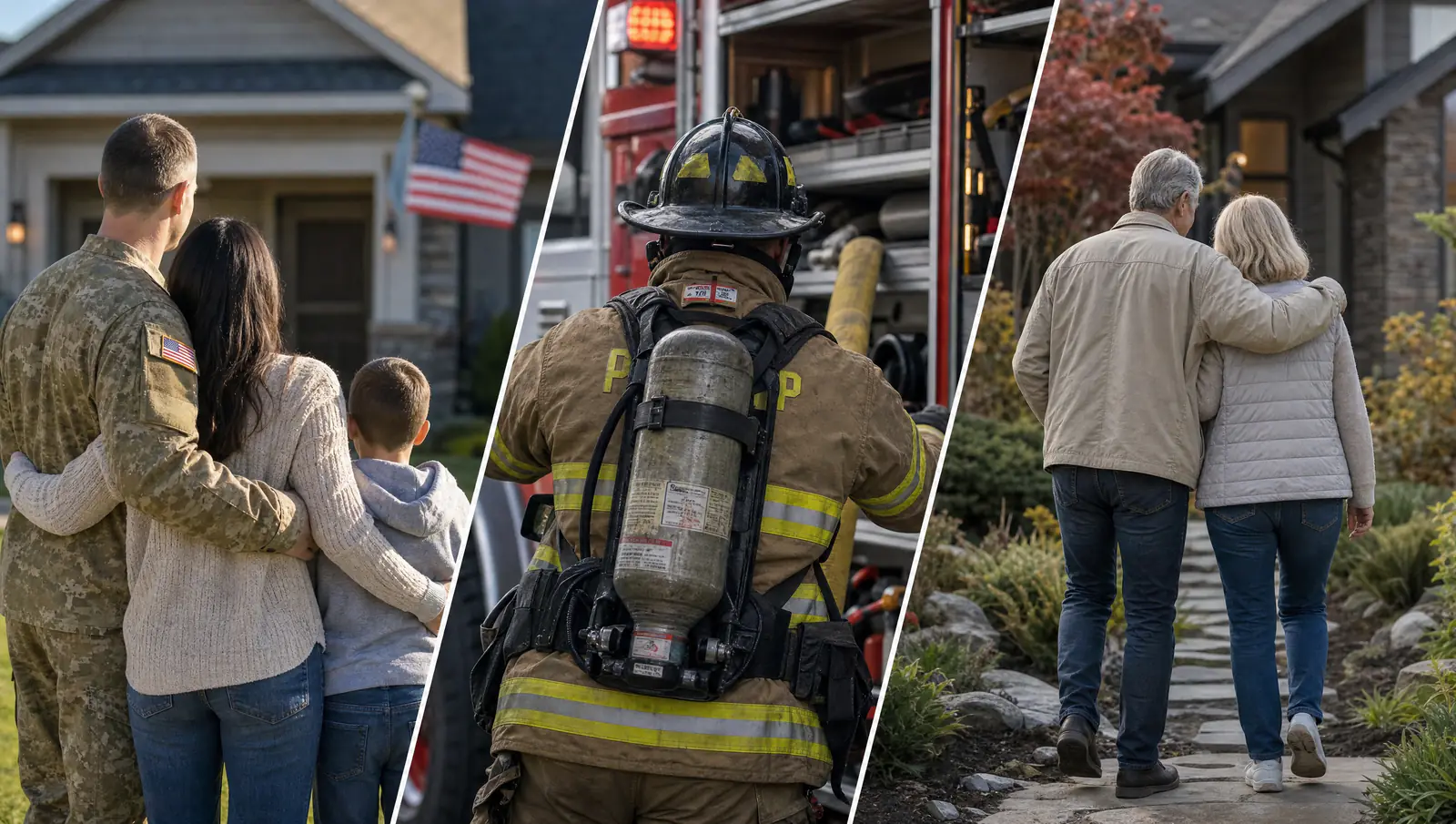
A clear guide to Flat Roof Pros discounts for seniors, military members, and first responders, including services, percentages, and how to request the offer.

A practical first-response guide for property managers and owners dealing with an active commercial roof leak in Seattle.
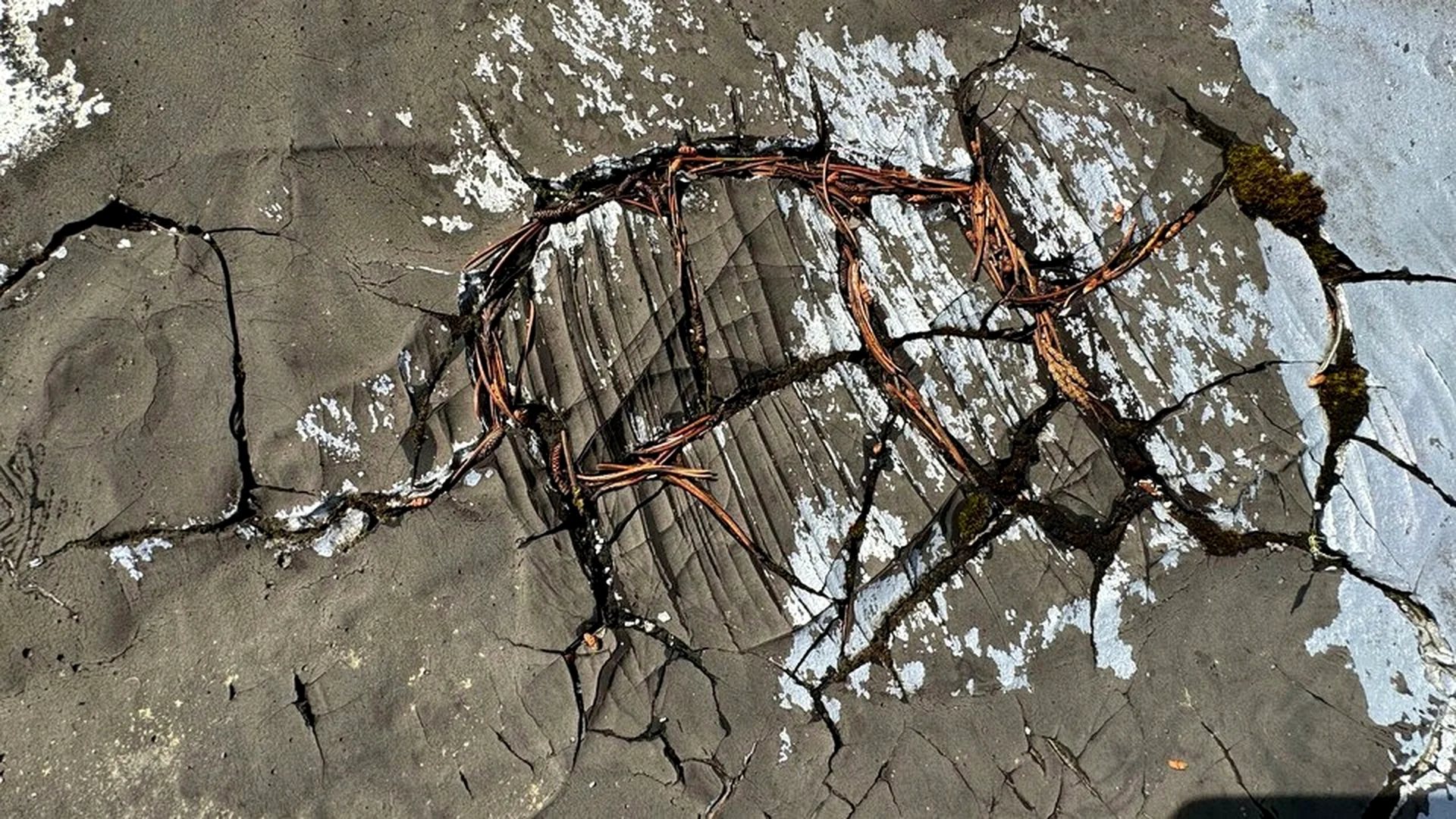
A guide for property managers and owners tired of paying for the same roof leak more than once.

A practical guide to ponding water on flat roofs in Seattle and when it needs professional diagnosis.

A decision guide for owners comparing commercial roof repair, restoration, and replacement options.

A practical restoration eligibility guide for commercial owners deciding between coating and tear-off.
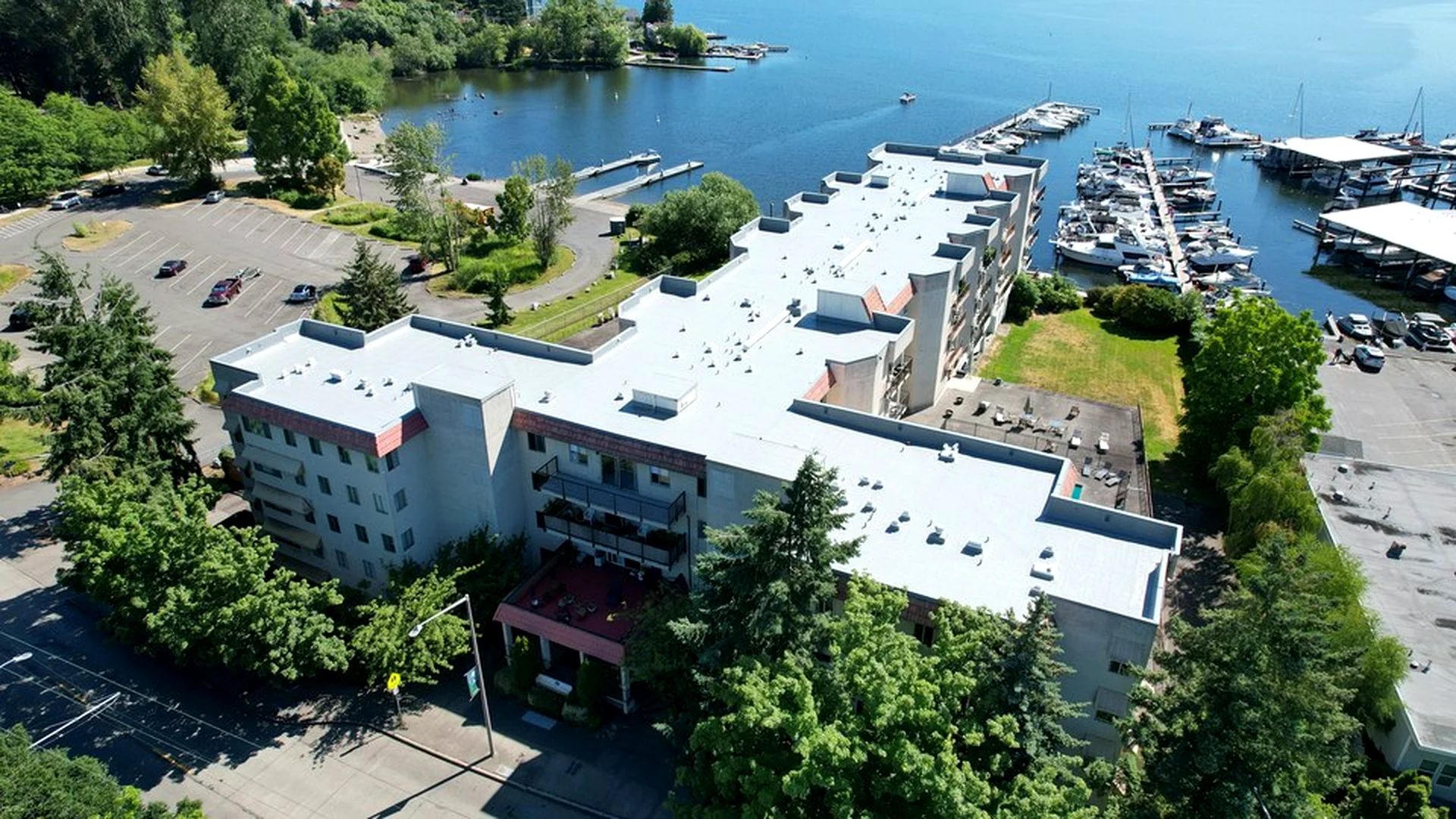
A property-manager focused roofing guide built around documentation, clear scope, and fewer follow-up calls.

A guide for apartment, condo, and multi-family owners planning roof repairs around occupied buildings.
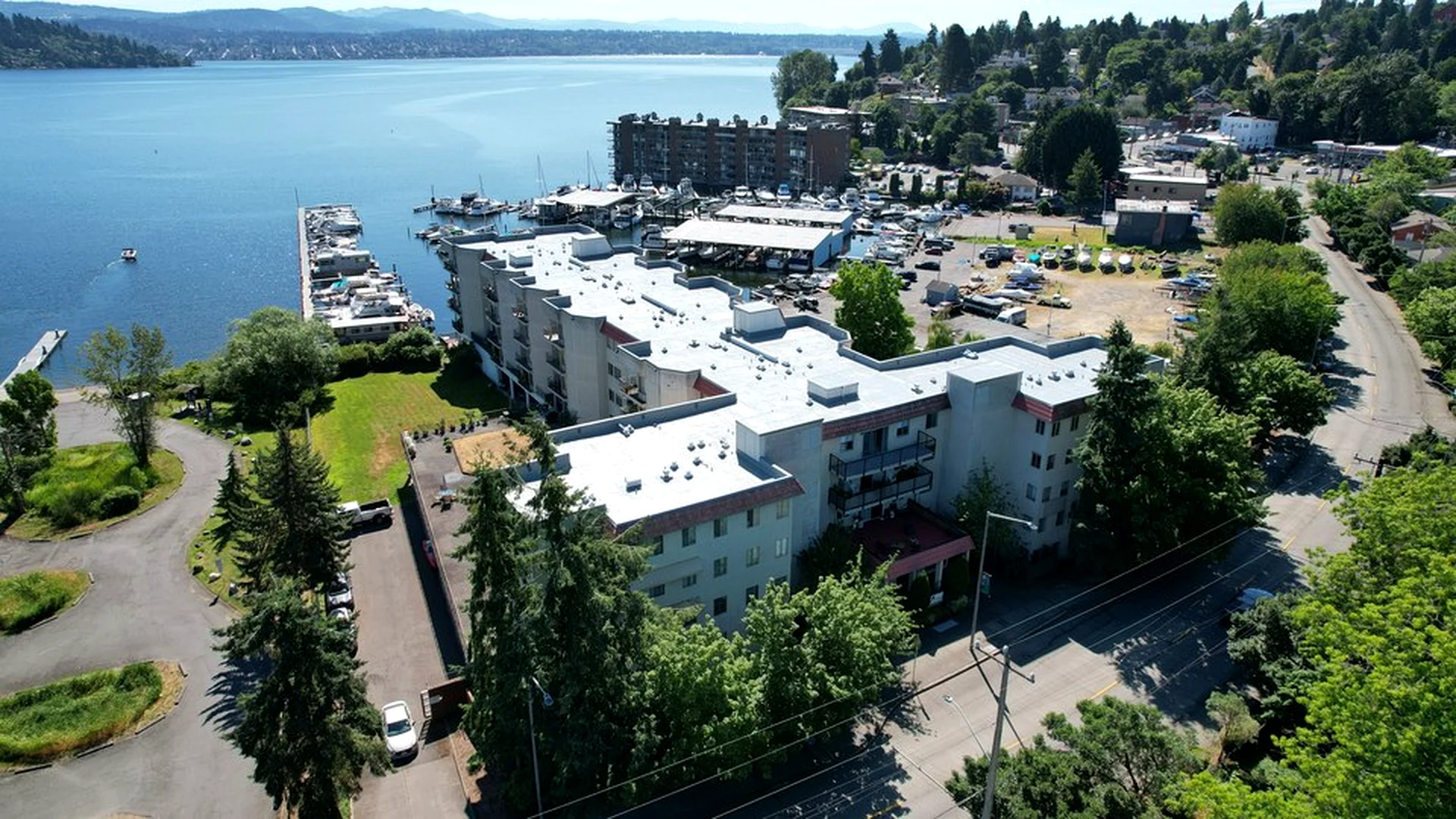
A board-focused guide for HOA and condo leaders preparing roof replacement approval.
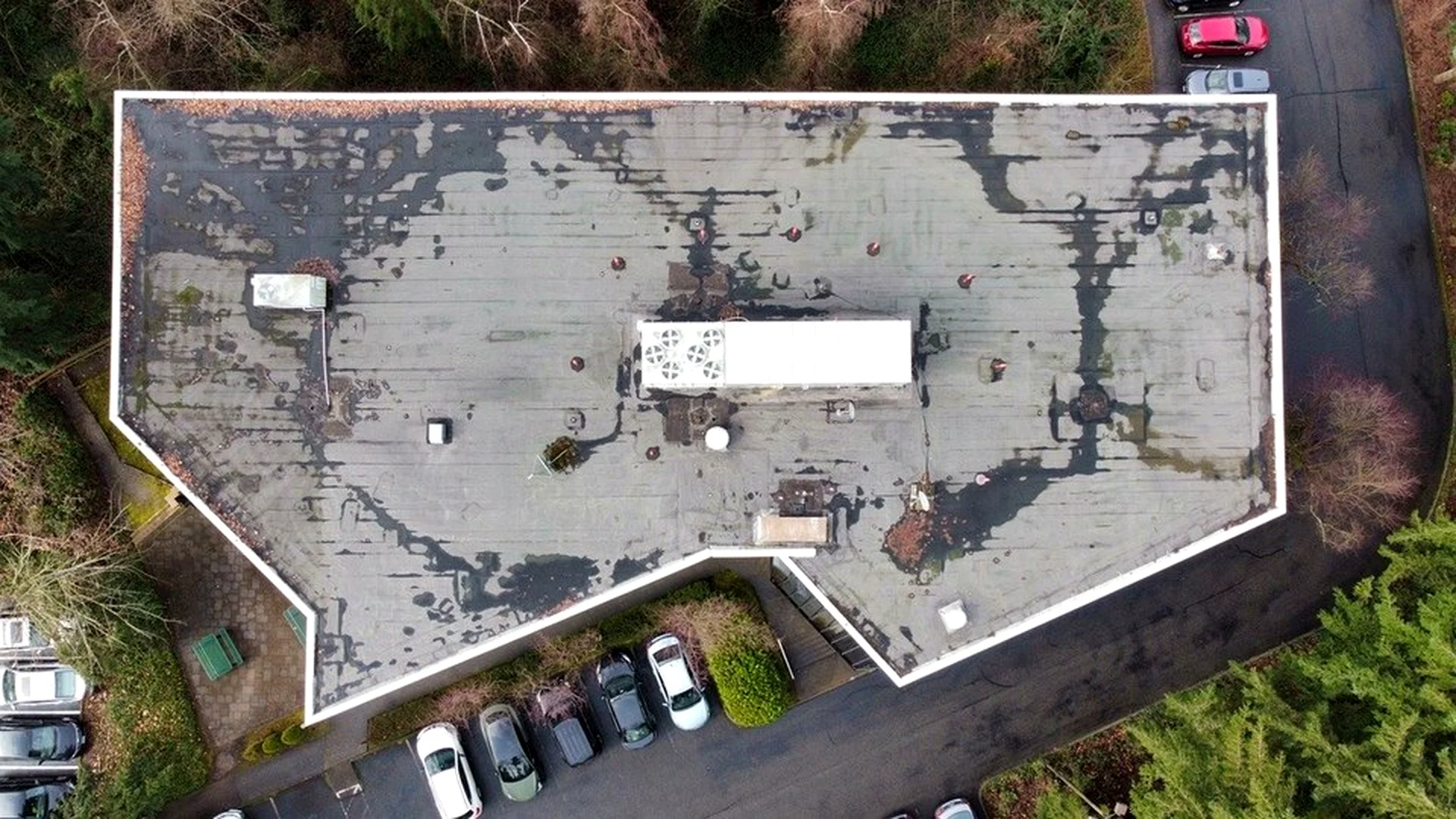
A guide to paid roof inspection and certification use cases for owners, buyers, lenders, and boards.

A winter roofing guide explaining temporary mitigation, dry-ins, weather windows, and permanent repair limits.

A system-specific guide to TPO roof repair for Seattle commercial and multi-family properties.
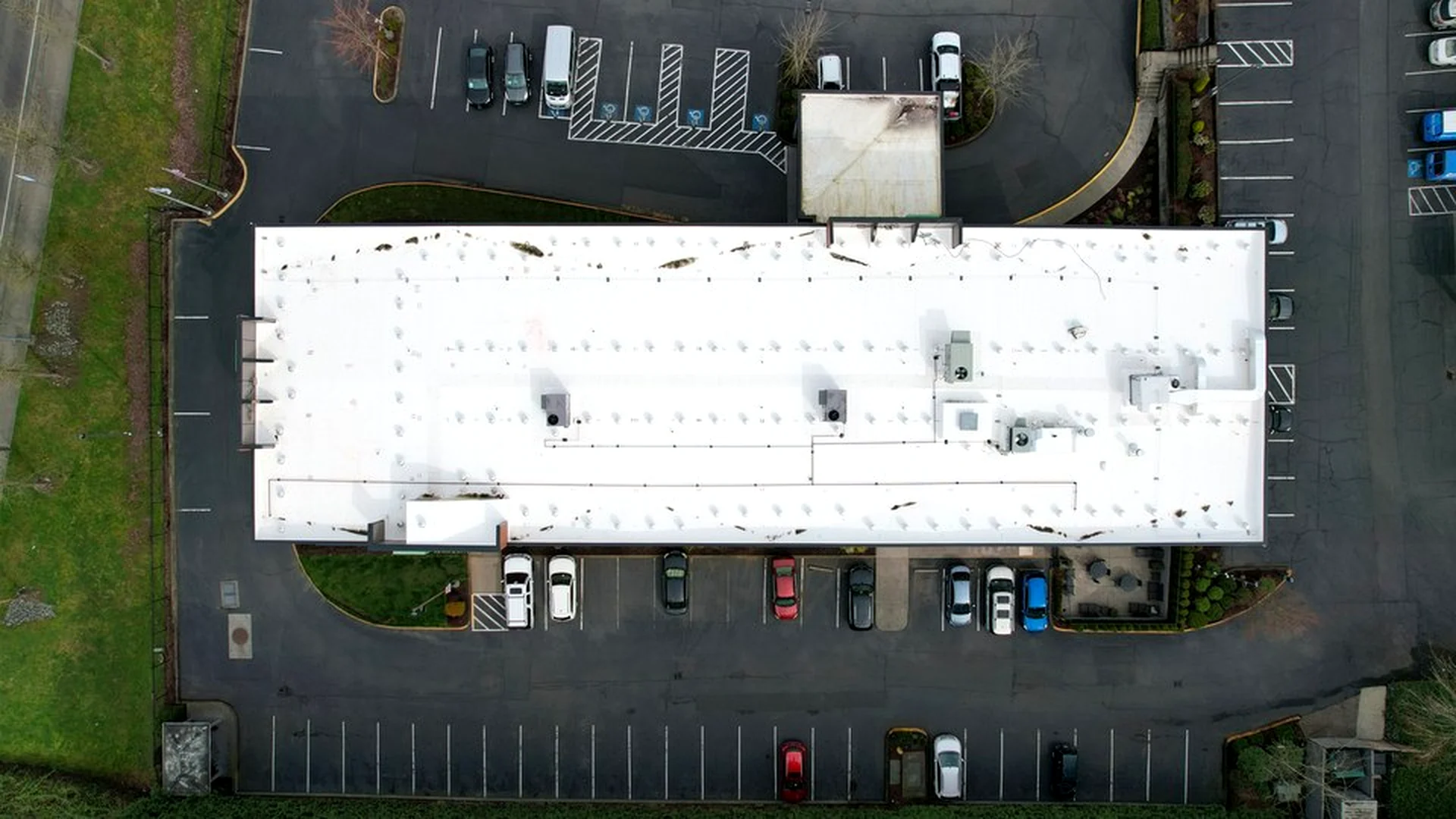
A guide to planning PVC roof replacement for commercial and low-slope properties in Seattle.

A practical guide to low-slope roof repair for Seattle properties with leaks, ponding, or hidden water paths.

A guide to annual roof health reports for commercial owners and property managers in Seattle.

A claim-aware but careful guide to storm roof inspection, damage reduction, and repair planning.

A communication guide for property managers preparing residents for apartment roof replacement work.

A guide to hidden damage, change-order evidence, and how owners can reduce surprise during roof tear-off.
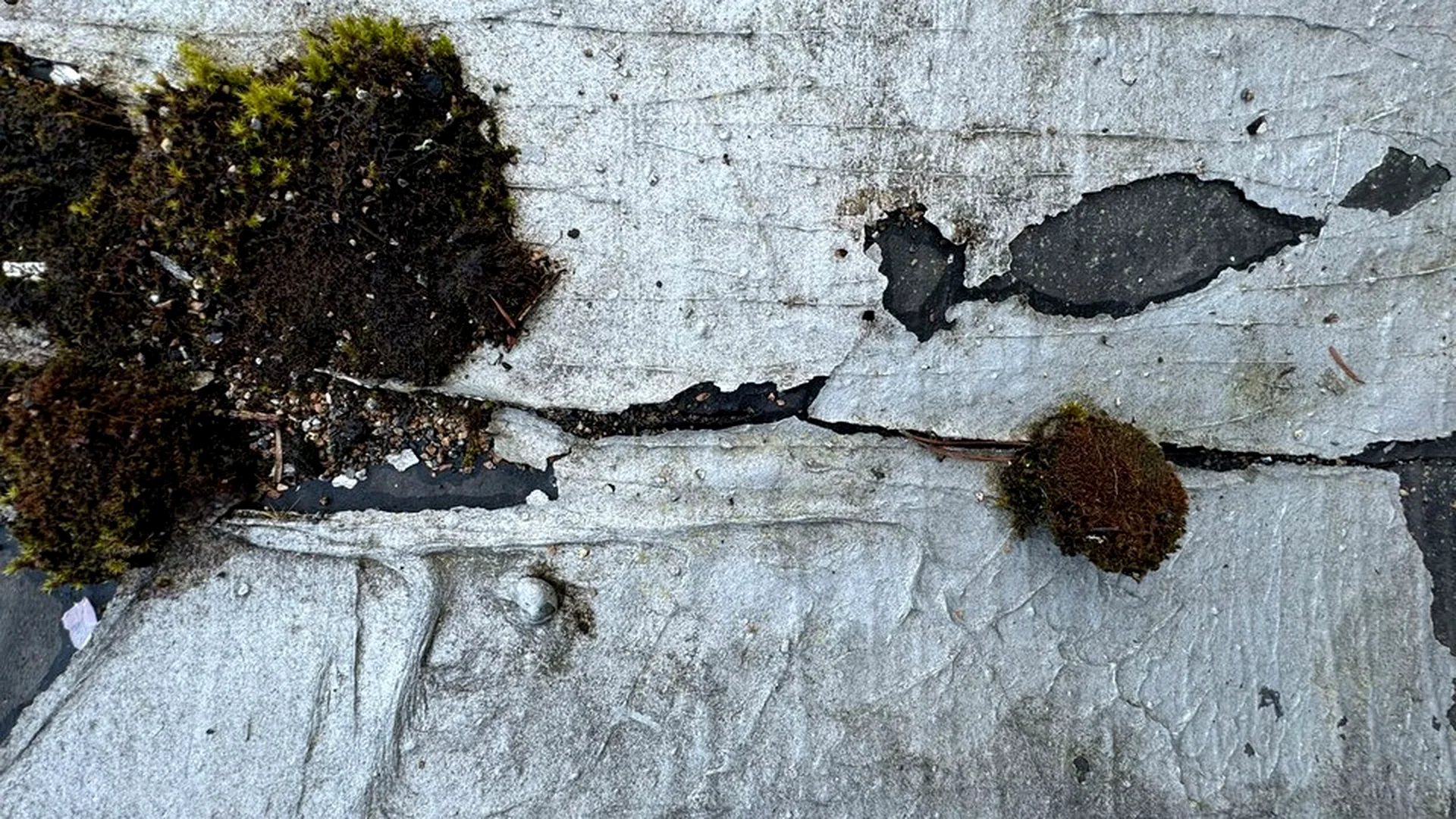
A practical guide to contractor red flags for owners comparing roof bids and repair scopes.
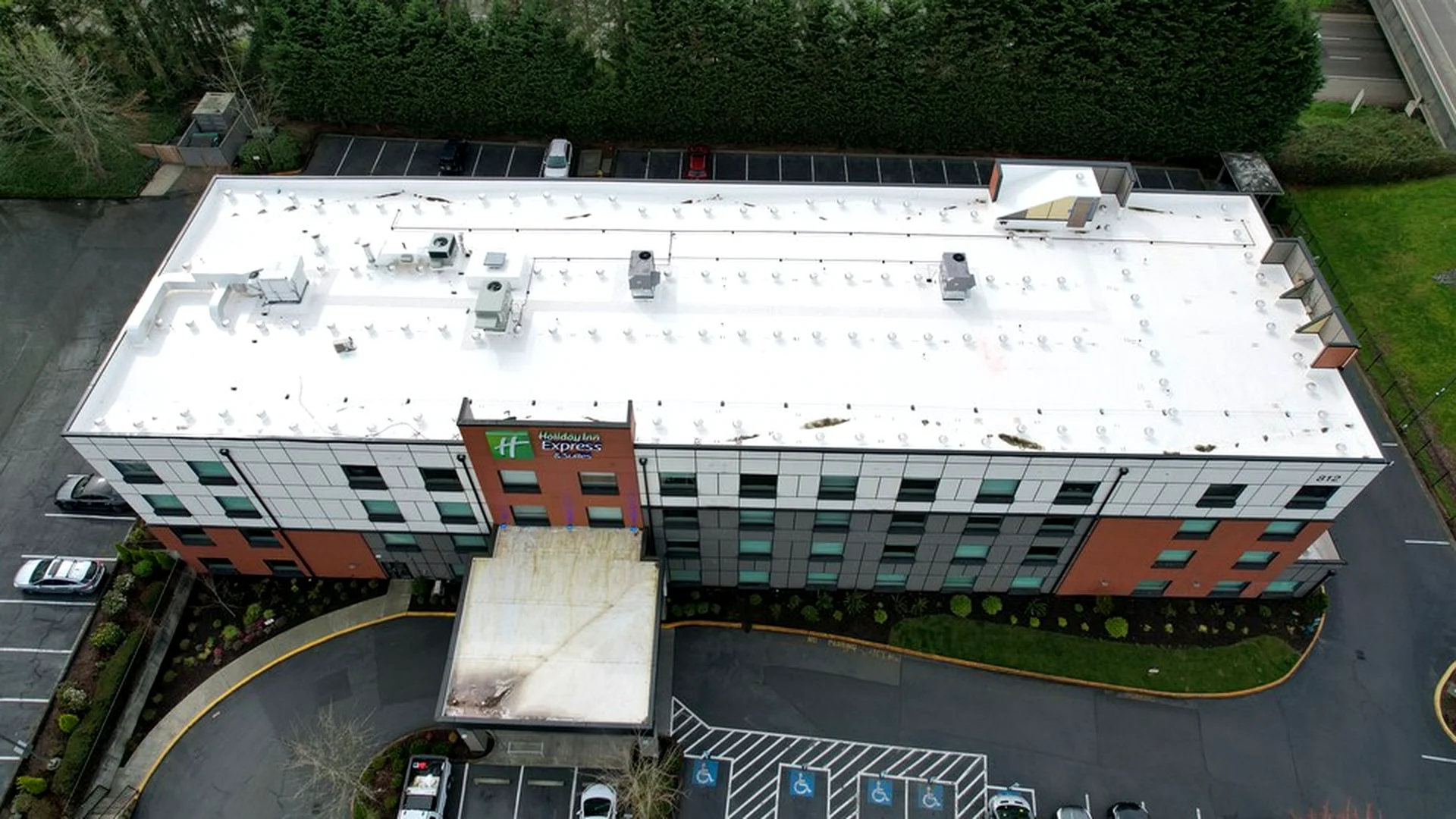
A business-continuity guide for commercial owners planning roof replacement on occupied buildings.

An executive guide to managing commercial roofs through inspection, priority maps, and capital planning.
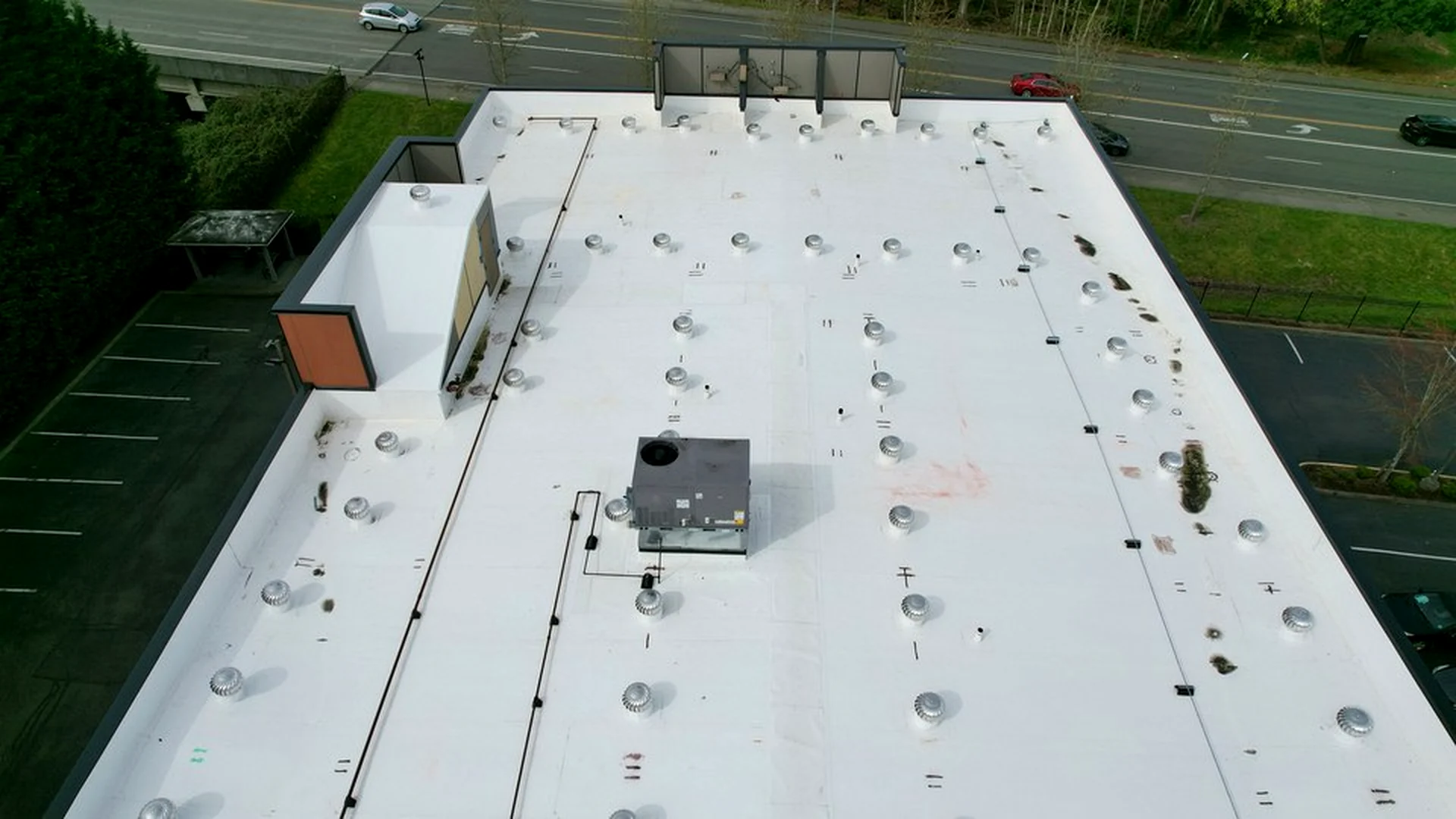
A technical guide for facility managers dealing with leaks near RTUs and rooftop equipment.
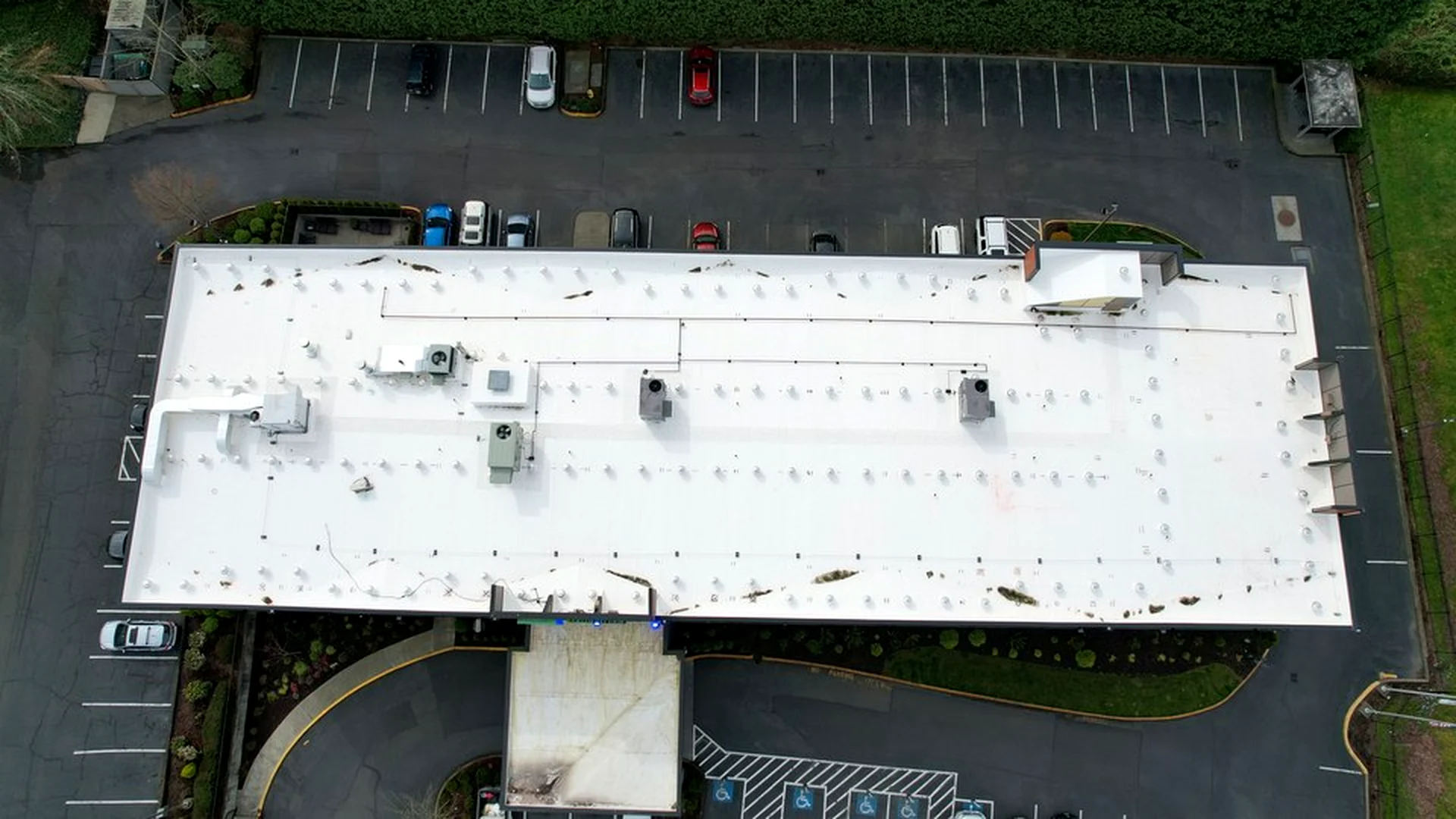
A technical guide to drainage fixes for Seattle flat roofs, from cleaning to tapered insulation planning.
A careful guide to documenting roof leaks when owners may need records for an insurer or internal review.
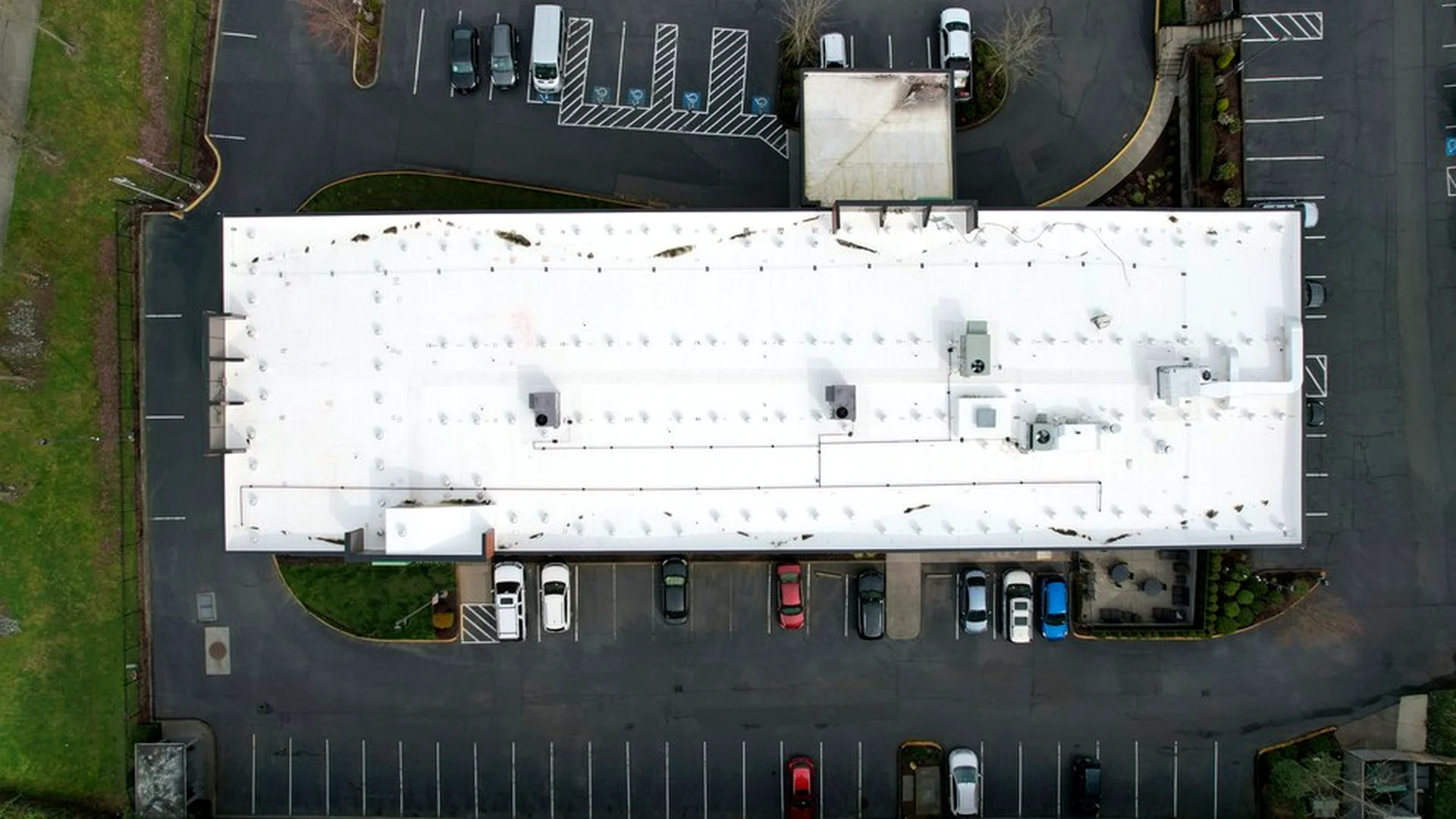
A Seattle commercial roofing guide focused on clear scope, occupied buildings, and documented roof decisions.

A Bellevue-focused guide for commercial owners deciding whether to repair, restore, or replace a roof.

A Puget Sound flat roof repair guide focused on drainage, weather, leak paths, and documented repair decisions.

A guide to roof maintenance records and why commercial owners should document inspections and repairs.

A guide for property managers who need one clear roof condition report across multiple buildings or properties.
An emergency guide for owners and managers dealing with water intrusion from a commercial roof leak.

A homeowner and owner guide to honest roof assessments, photo evidence, and clear repair or replacement options.

Flat roofs require regular inspections to prevent leaks, structural damage, and costly repairs. Knowing how to inspect a flat roof properly can help catch issues early—before they become major problems.
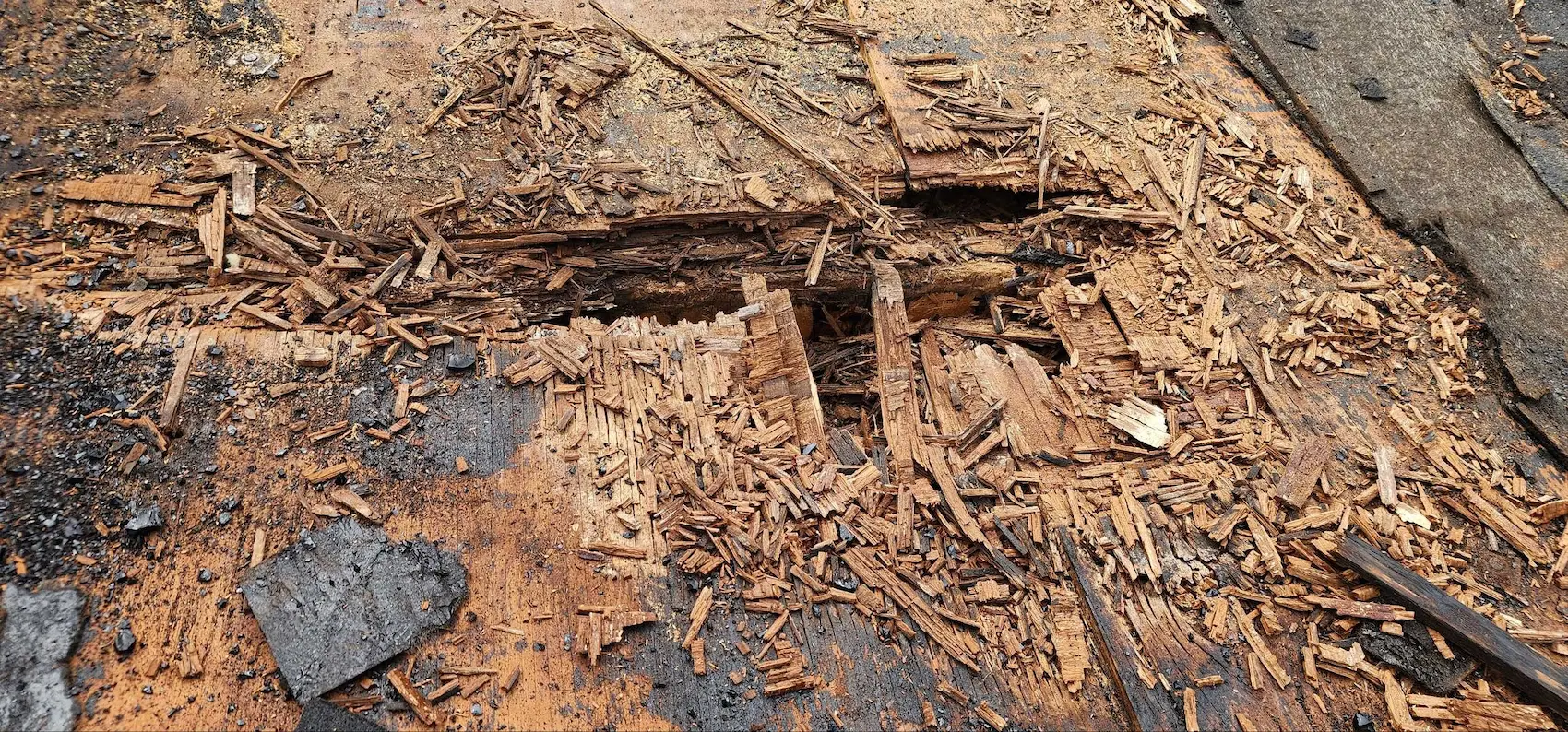
Protect your property by learning how to recognize subtle signs of sheathing issues before they turn into serious problems.

Confused about warm vs cold roofs? Learn how insulation placement, ventilation, and climate impact your roof’s performance and long-term value.
Areas We Serve Roofing
Benton County
Clackamas County
Clark County
Cowlitz County
Island County
Jefferson County
King County
Kitsap County
Mason County
Multnomah County
Pierce County
San Juan County
Skagit County
Snohomish County
Spokane County
Stevens County
Thurston County
Walla Walla County
Washington County
Whatcom County
Whitman County
Our Locations
Head Office
Seattle, Washington
3420 C St NE, Unit 403
Auburn, WA 98002
Eastern Washington Office
Spokane, Washington
601 W 1st Ave, Suite 1400
Spokane, WA 99201
Oregon Office
Portland, Oregon
650 NE Holladay St, Ste 1600
Portland, OR 97232